
Black Friday is a great opportunity to find educational gifts for kids that combine fun with meaningful learning. From puzzles and STEM kits to creative activity sets, storytelling games and reusable learning resources, there are plenty of options for children aged 0–8. This guide explores thoughtful gift ideas, age-wise recommendations and practical tips to help parents choose toys that encourage curiosity, creativity and learning through play.
Finding Gifts That Children Will Enjoy
Choosing a gift for a child is not always easy. A toy may look exciting when it is unwrapped, but will it hold the child's interest after a few days? Parents often look for gifts that are enjoyable, useful and suitable for their child's age and interests.
This Black Friday, look beyond the discount and think about what your child enjoys doing. Do they love building things, solving puzzles, drawing, exploring colours or listening to stories? A gift that matches these interests can encourage children to explore new ideas while enjoying their playtime.
Why Are Educational Gifts Important for Children?

Children learn through everyday experiences, and play gives them opportunities to explore, communicate, experiment and solve problems. A puzzle encourages them to recognise patterns, a construction activity introduces trial and error, and a storytelling game gives them opportunities to express their ideas.
The American Academy of Pediatrics highlights that developmentally appropriate play can support children's cognitive, language, social-emotional and self-regulation skills. It also emphasises the importance of playful interactions between children and caregivers. Read the AAP report, The Power of Play.
Educational gifts do not need to feel like schoolwork. The best options give children opportunities to make choices, experiment and enjoy discovering something new.
What Are the Best Educational Gifts for Kids?
The best educational gifts for kids are age-appropriate, safe and interesting enough to encourage active participation. Here are seven gift categories to consider this Black Friday.
1. Sensory Toys and Exploration Activities
Sensory toys introduce babies and toddlers to different colours, shapes, textures and objects. High-contrast cards, soft sensory materials, large stacking toys and simple shape sorters can encourage early exploration.
Suitable age: 0–2 years.

Materials: Age-appropriate sensory toys, large stacking objects, high-contrast cards and soft activity materials.
How to use them: Let your baby look at, reach for and explore one object at a time. Toddlers can try simple stacking, sorting or matching activities with an adult nearby.
Learning benefits: Sensory exploration, visual attention, hand-eye coordination and early object recognition.
Parent tip: Follow your child's interest rather than introducing too many objects at once. Check age recommendations and avoid small detachable parts that may pose choking risks.
2. Educational Learning Kits
Learning kits bring different activities together in one place. Depending on the kit, children can explore colours, counting, patterns, matching, puzzles and early learning concepts.
Suitable age: 2–6 years, depending on the activities.

Materials: Colour counters, matching cards, sorting pieces, puzzles and reusable activity sheets.
How to use them: Allow children to select an activity and explore it at their own pace. For example, they can match colours, count objects or arrange pieces to complete a pattern.
Learning benefits: Early numeracy, observation, logical thinking, fine motor practice and concentration.
Parent tip: Avoid treating the kit like a daily worksheet assignment. Give children the freedom to choose and repeat activities.
For toddlers aged 2–5, GiniMini DOT POP is a reusable colour and counting activity kit with colour counters, number cards, pattern activities and matching games.
3. STEM and Construction Activity Sets
STEM gifts encourage children to investigate how things work. Building materials, simple experiment activities and construction challenges introduce concepts through hands-on exploration.
Suitable age: 4–8 years, depending on complexity.

Materials: Child-friendly construction pieces, experiment materials, challenge cards and activity resources.
How to use them: Invite your child to build a bridge, create a structure or test which design can support more weight. Ask what they think will happen before they begin.
Learning benefits: Problem-solving, planning, creativity, observation and early engineering thinking.
Parent tip: Focus on experimenting rather than getting the perfect result. Trying a different design is part of the learning experience.
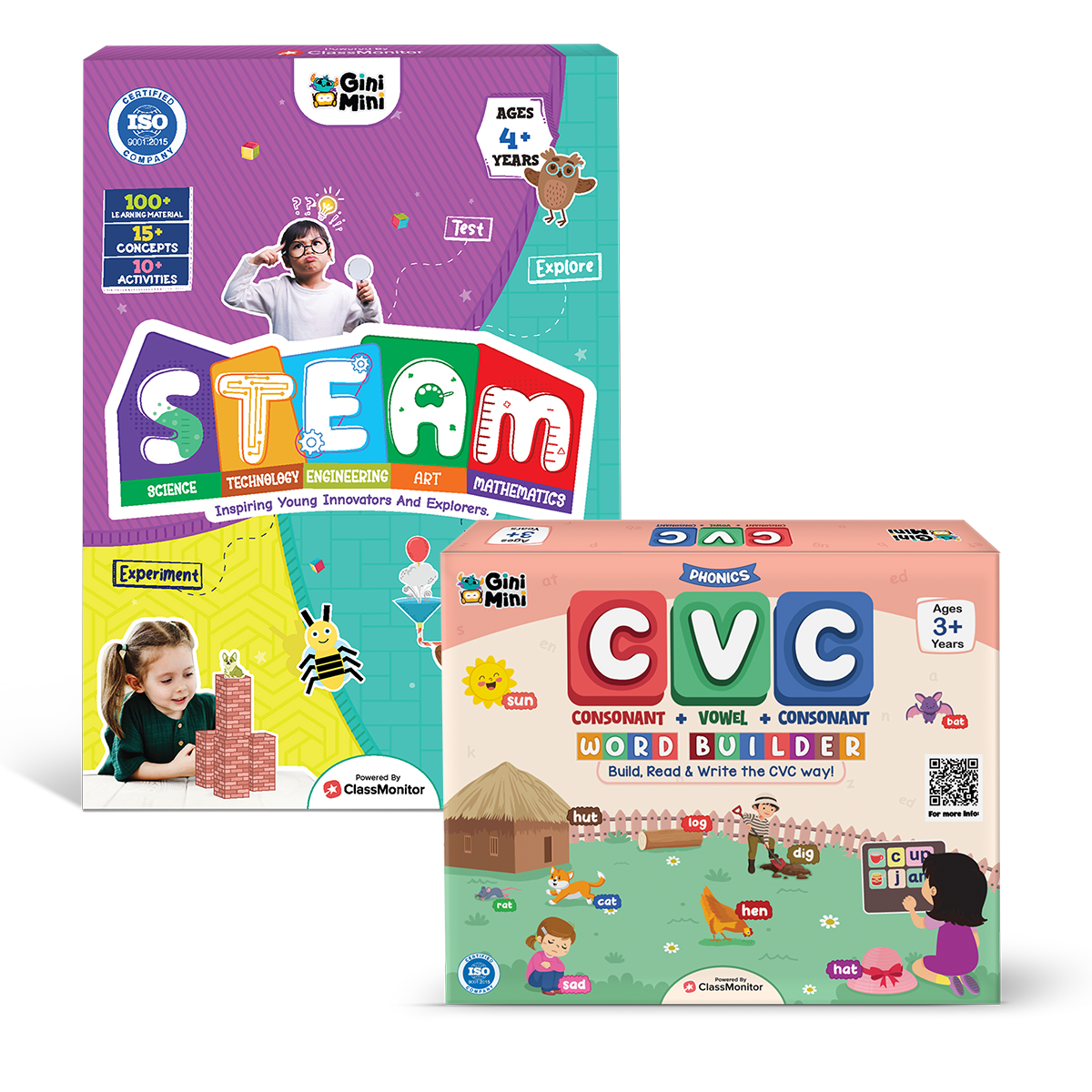
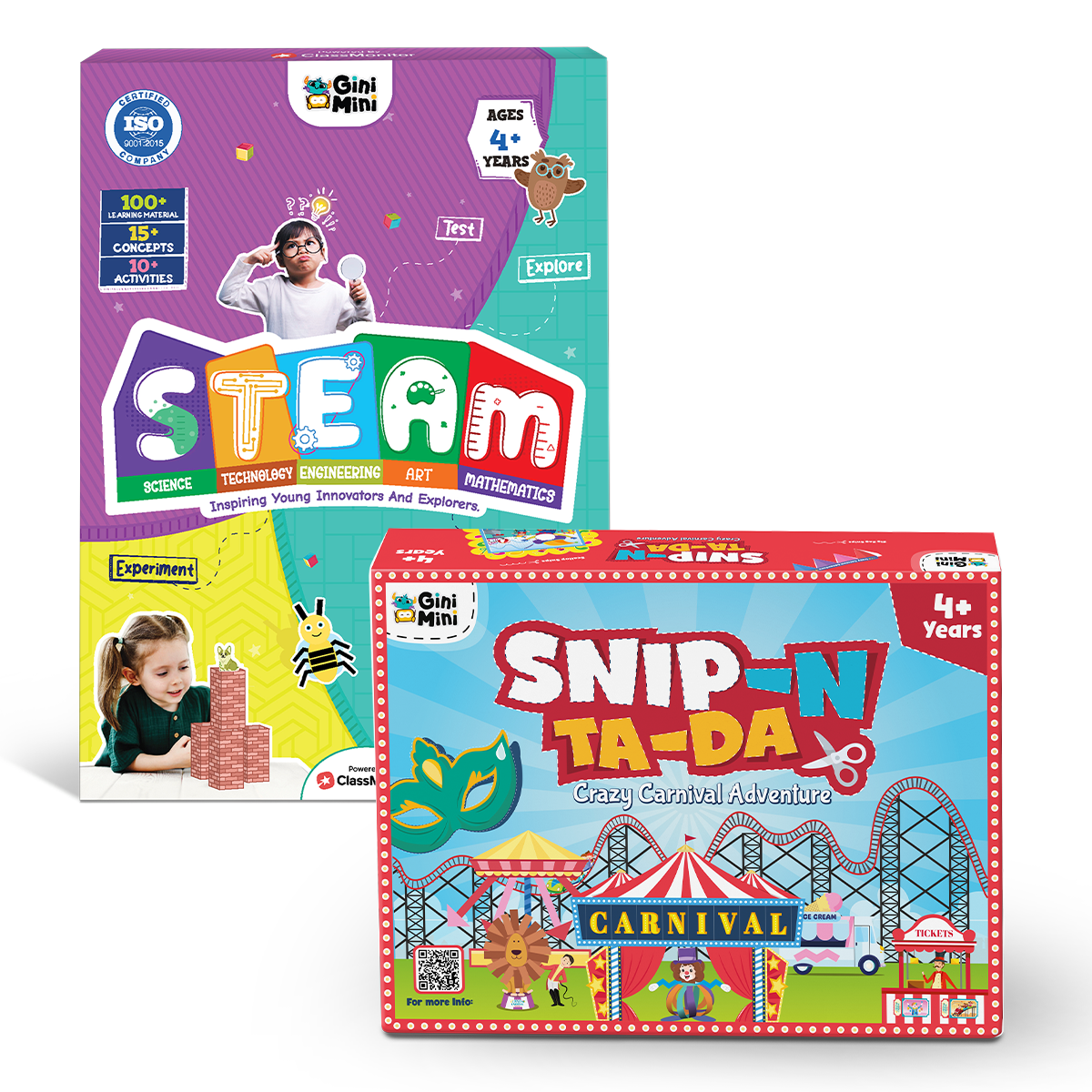
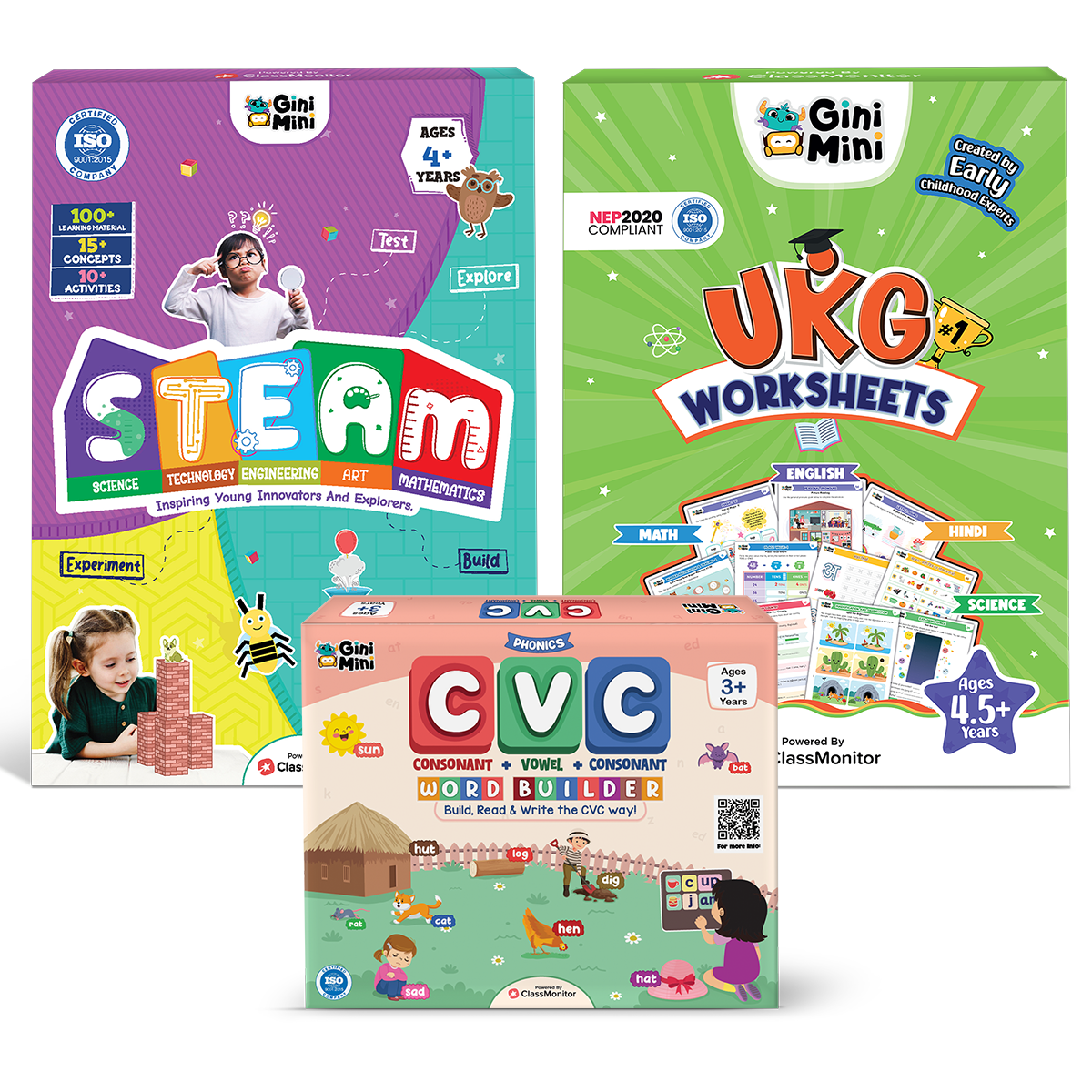
For children aged 4+, the GiniMini STEAM Kit includes hands-on materials, challenge cards, experiment cue cards and activities across Science, Technology, Engineering, Art and Mathematics.
4. Puzzles and Brain Games
Puzzles, matching activities and age-appropriate games give children opportunities to recognise patterns, compare possibilities and work towards solutions.
Suitable age: 2–8 years, depending on difficulty.

Materials: Chunky puzzles, picture-matching cards, shape puzzles and simple strategy games.
How to use them: Start with a manageable challenge. Encourage your child to observe the pieces, identify patterns and try different combinations. Offer a hint if needed instead of completing the puzzle for them.
Learning benefits: Visual recognition, concentration, memory, spatial reasoning and logical thinking.
Parent tip: Choose puzzles that offer a little challenge without becoming frustrating.
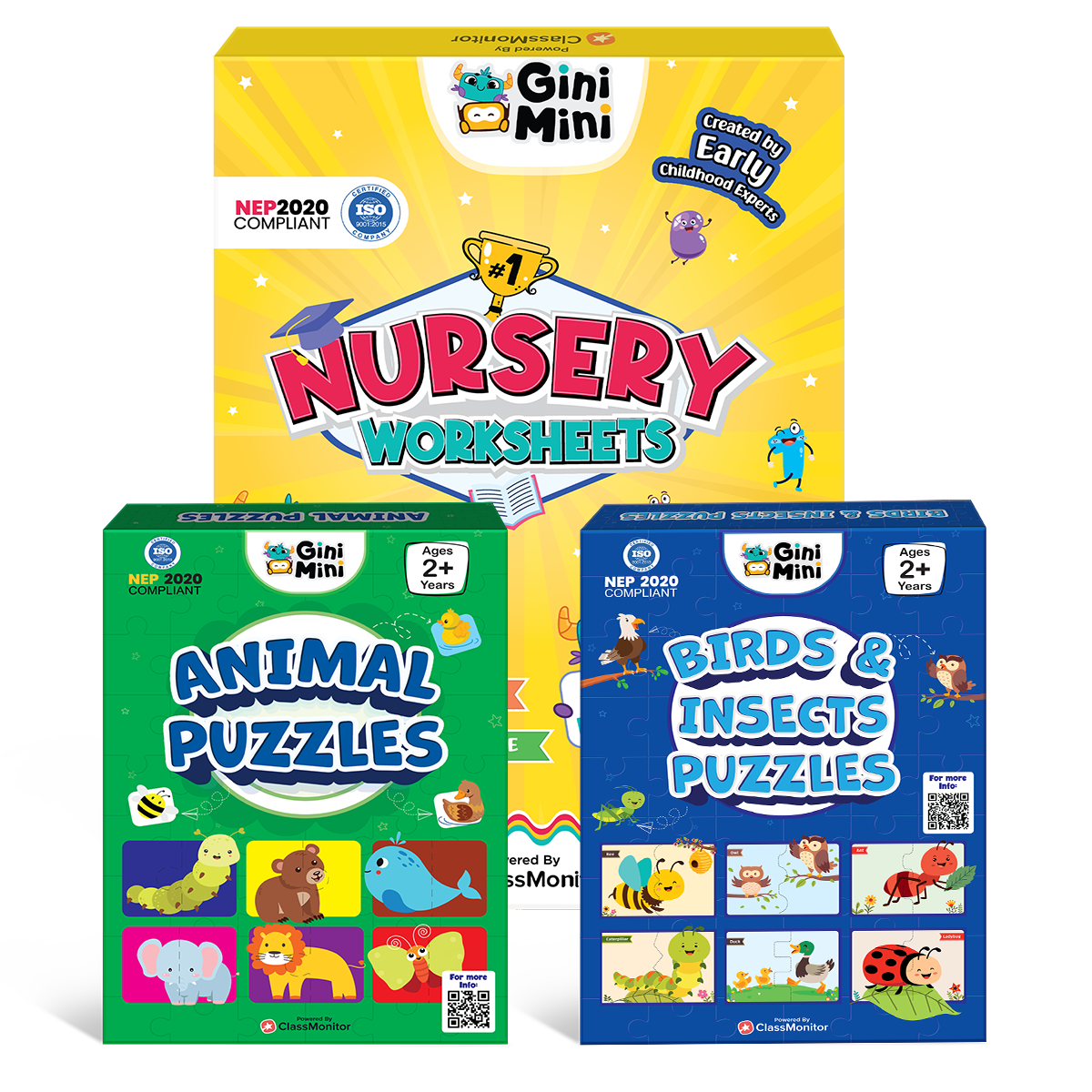
For toddlers aged 2+, GiniMini Safari 3D Puzzle offers animal and object cutouts, prompt cards and a reusable base mat for creating and exploring different scenes.
5. Creative Art and Craft Kits
Art and craft gifts give children the freedom to make something of their own. Drawing sets, clay activities, painting materials and craft kits can turn an ordinary afternoon into a creative experience.
Suitable age: 3–8 years, with age-appropriate tools and supervision.

Materials: Washable paints, modelling clay, drawing materials, child-safe scissors and craft supplies.
How to use them: Invite your child to create a picture, shape an object or make a story-inspired craft. Let them choose the colours and design.
Learning benefits: Creativity, self-expression, fine motor skills, patience and imagination.
Parent tip: Appreciate the process instead of expecting every creation to look perfect.
Children aged 3–6 can explore GiniMini Clay-O-Pedia, a 12-in-1 clay activity kit with hands-on learning games. For children aged 3–5 who enjoy painting and storytelling, Tiny Prints & The Magical Journey combines story-based activity sheets, paints and creative materials.
6. Storytelling and Family Games
Storytelling cards, guessing games and conversation-based activities can make learning a shared experience. Children get opportunities to ask questions, explain ideas, remember information and interact with others.
Suitable age: 5–8 years, depending on the game.

Materials: Picture cards, storytelling prompts, guessing games and conversation cards.
How to use them: Take turns creating a story, guessing an answer through clues or responding to interesting questions. Encourage your child to contribute ideas and explain their thinking.
Learning benefits: Vocabulary, communication, listening, memory, reasoning and social interaction.
Parent tip: Choose games that allow everyone to participate instead of focusing only on winning.
For children aged 5–12, GiniMini Who Am I? is a guessing game featuring community-helper cards and question-based play. Children aged 6+ can also explore Bridge of Thoughts, a conversation and storytelling game designed to encourage meaningful family interactions.
7. Reusable Learning and Pre-Writing Resources
Reusable activity cards and tracing resources can be useful for children who enjoy drawing lines, recognising letters and numbers, and practising hand movements.
Suitable age: 3+ years, depending on the resource.

Materials: Reusable tracing cards, child-safe markers, erasers and guided activity materials.
How to use them: Invite children to trace simple patterns, follow paths or practise age-appropriate letter and number movements. Keep sessions short and relaxed.
Learning benefits: Hand control, visual-motor coordination, early writing readiness and concentration.
Parent tip: Let children practise without pressure. Early writing skills develop gradually through varied hands-on experiences.
For children aged 3+, GiniMini Trace, Erase & Learn – Alphabet Edition offers reusable letter and pre-writing activities. Parents can also explore the Numbers Edition for number recognition, counting and tracing practice.
How Can Parents Choose Gifts for Different Age Groups?
The right gift changes as children's interests and abilities develop. Use age recommendations as a starting point while considering your child's individual readiness.
Ages 0–2: Consider safe sensory toys, large stacking objects, simple shape sorters and sturdy board books. Avoid small detachable parts and supervise play.
Ages 2–4: Matching games, chunky puzzles, pretend-play resources, colour-sorting activities and simple construction toys can encourage exploration and coordination. Options include DOT POP and Safari 3D Puzzle.
Ages 4–6: Consider beginner STEM activities, creative kits, storytelling resources, puzzles and early writing materials. Explore GiniMini STEAM Kit, Clay-O-Pedia and Tiny Prints & The Magical Journey.
Ages 6–8: More challenging games, creative activities, construction challenges and conversation-based resources can support growing independence. Bridge of Thoughts and the GiniMini STEAM Kit are options to explore.
How Do Educational Gifts Support Children's Development?
A thoughtfully chosen gift can create opportunities to practise several skills through one enjoyable experience. Construction activities encourage planning and spatial thinking. Puzzles help children compare possibilities and solve problems. Art and craft activities invite creativity and fine motor practice, while storytelling games encourage language and communication.
Play can also create opportunities for children to practise patience, decision-making and cooperation. The value depends on the child's engagement and how the activity is used; a toy does not automatically develop a particular skill.
Expert Tips for Parents Shopping This Black Friday
Start with your child's interests. A child who loves stories may enjoy storytelling cards, while a curious builder may prefer construction materials or a STEM activity.
Check age recommendations and safety information before buying. Look carefully at small parts, materials, usage instructions and supervision requirements, especially for younger children.
Choose activities that offer different ways to play. Open-ended toys and creative resources can remain interesting as children discover new possibilities.
Compare the actual product value, not just the discount. Check what is included, whether the materials are reusable and whether the activity suits your child's abilities.
Make room for unstructured play. Children do not need every gift to become a formal learning activity. Give them time to explore independently and enjoy themselves.
How Does GiniMini Support Learning Through Play?
GiniMini creates play-based learning resources designed to encourage children's curiosity, creativity and active participation. Its range includes puzzles, activity kits, card games, creative resources and early-learning materials for different age groups.
For toddlers, DOT POP introduces colour, counting and pattern activities through reusable play. Children aged 2+ can also explore Safari 3D Puzzle, which encourages scene-building, matching and problem-solving.
For preschoolers, Clay-O-Pedia offers hands-on clay activities, while Tiny Prints & The Magical Journey combines painting and storytelling. Children aged 4+ who enjoy experimenting can explore the GiniMini STEAM Kit.
Older children can enjoy conversation and reasoning games such as Who Am I? and Bridge of Thoughts. For early writing practice, Trace, Erase & Learn offers reusable activities.
The right choice depends on the child's age, interests and readiness. GiniMini's approach is simple: make learning engaging by giving children opportunities to explore and learn through play. Parents can browse the GiniMini product collection to discover more options.

Frequently Asked Questions
1. What are the best educational gifts for kids?
Learning kits, STEM sets, puzzles, creative art supplies, storytelling games and reusable learning resources are useful options. Choose according to the child's interests, developmental stage and safety requirements.
2. What are good educational gifts for toddlers?
Toddlers may enjoy sensory toys, stacking activities, large-piece puzzles, matching games and simple colour-sorting resources. Always check age recommendations and choking hazards.
3. What should I give to a 5-year-old who loves learning?
Consider beginner STEM kits, creative activity sets, clay games, puzzles, storytelling resources and early literacy activities. Choose something that encourages exploration without feeling like schoolwork.
4. Are educational toys better than regular toys?
Not necessarily. Both can offer valuable play experiences. A good gift should be safe, age-appropriate and interesting to the child. Imaginative and unstructured play are important too.
5. How do I choose a safe educational toy?
Check the recommended age, material information, small components, product instructions and supervision guidance. Avoid toys with detachable small parts for children who may put objects in their mouths.
6. Are learning kits good gifts for children?
Learning kits can be useful because they bring different activities together. Look for age-appropriate materials, clear instructions and activities that encourage children to participate rather than simply follow answers.
Recommended GiniMini Blogs
-
How Play Teaches Children to Solve Problems Independently – Discover how puzzles, games and building activities can encourage independent thinking.
-
The “One More Episode” Problem: Making Offline Play Appealing – Explore practical ways to make screen-free play more engaging.
-
The Difference Between Keeping Kids Busy and Helping Them Learn – Understand how meaningful activities can encourage creativity, problem-solving and exploration.
-
How to Keep Kids Busy at Home With Fun Screen-Free Activities – Find practical activities that combine creativity and learning.
Give a Gift That Inspires More Discovery
The best educational gifts for kids are not necessarily the biggest, most expensive or most complicated. They are the ones that invite children to ask questions, experiment, create and enjoy time with the people around them.
This Black Friday, look beyond the price tag. Choose gifts that reflect your child's interests and give them opportunities to discover something new. Explore GiniMini's learning and play resources to find thoughtful options for your child's next learning adventure.