


Struggling to pull your child away from screens? Discover practical ways to make offline play for kids more exciting through screen-free activities, hands-on toys, creative challenges, and independent play ideas that encourage curiosity and imagination.
“One more episode!” It starts as a harmless request. Then one episode becomes another, and suddenly the screen has become the easiest source of entertainment in the house. For many parents, the challenge is not simply reducing screen time. It is figuring out what can genuinely compete with the instant excitement of a screen.
The good news is that children do not necessarily need more toys to enjoy screen-free play. They need play experiences that offer curiosity, choice, movement, imagination, and a sense of discovery. When offline activities feel like something children want to explore rather than something adults are asking them to do, the transition away from screens becomes much easier.
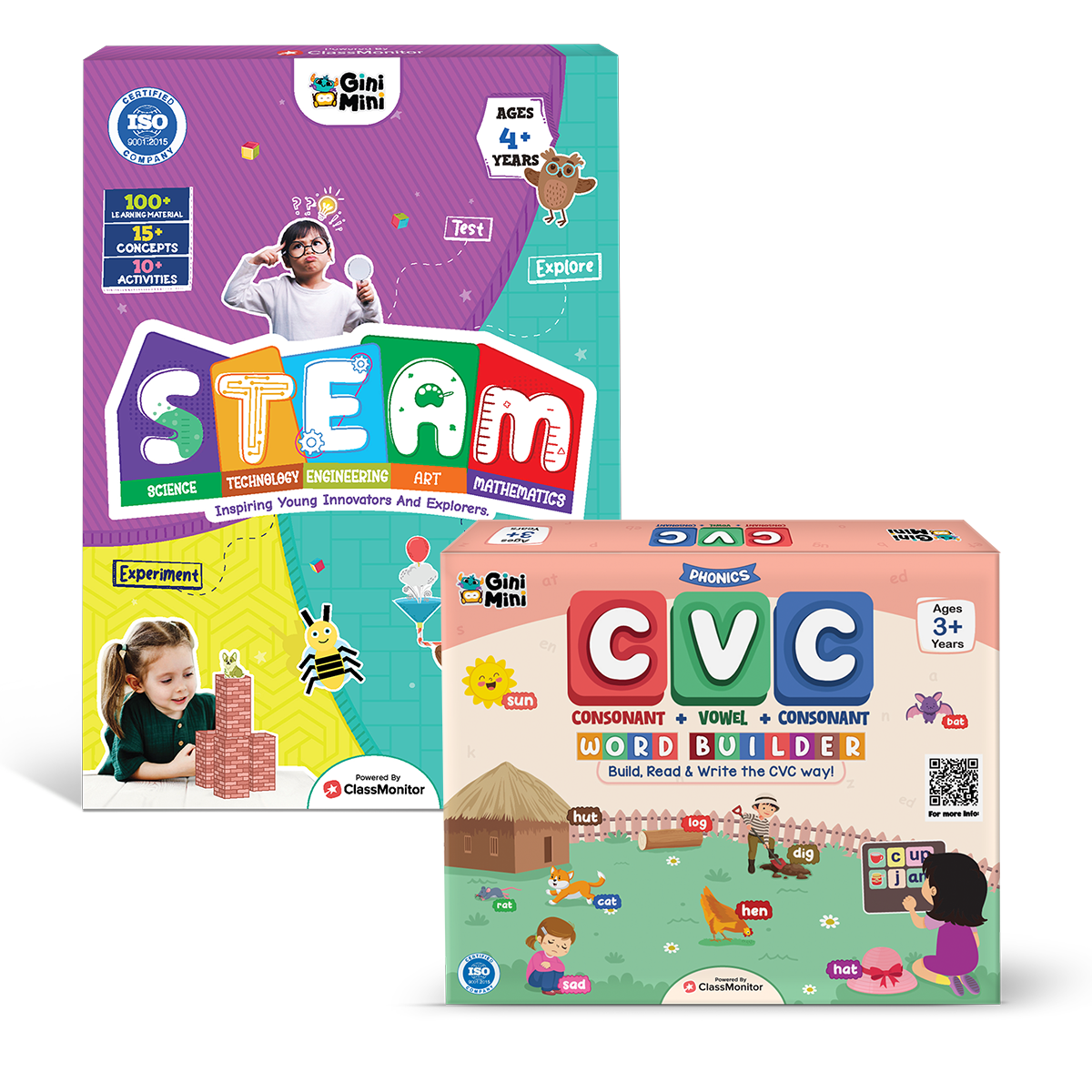
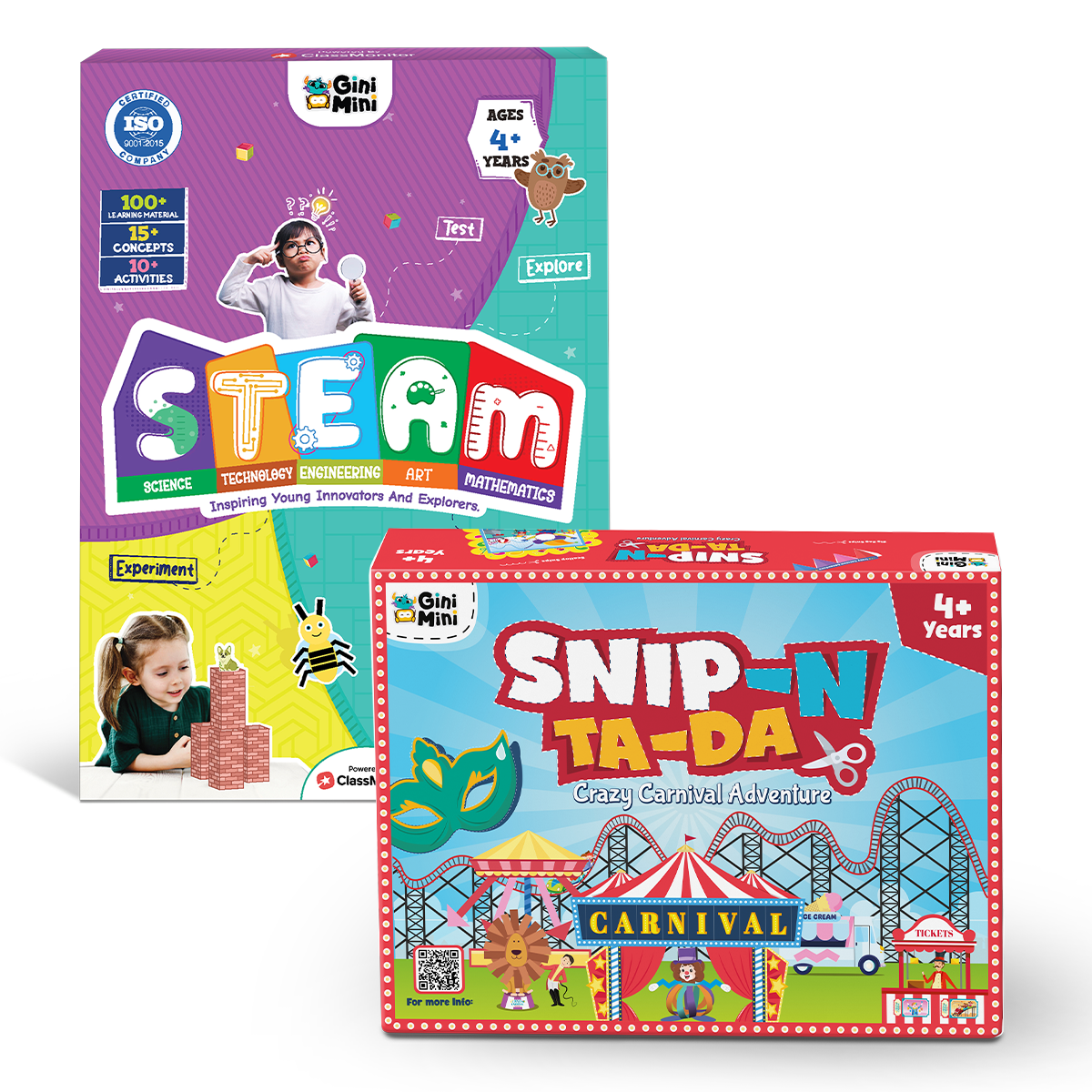
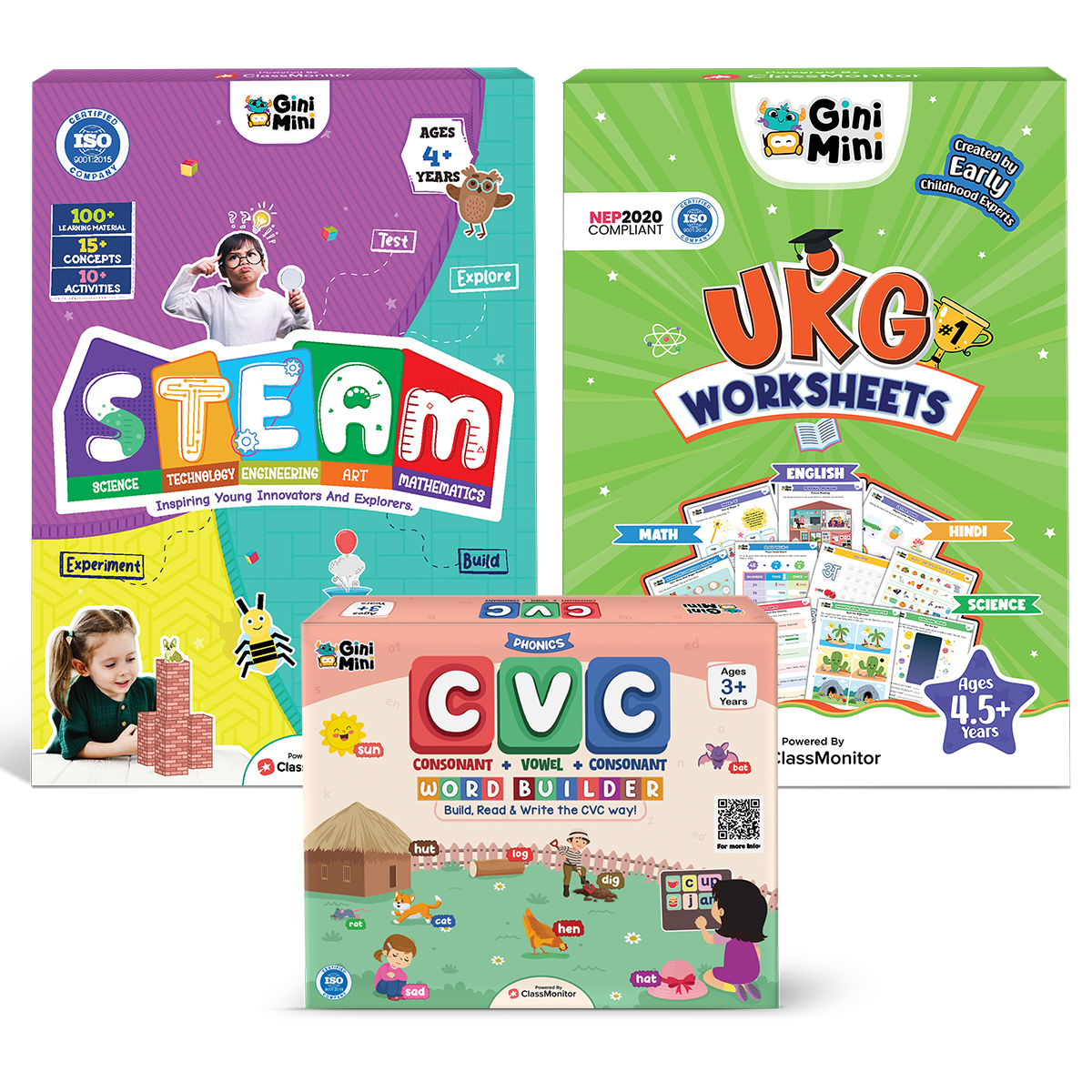
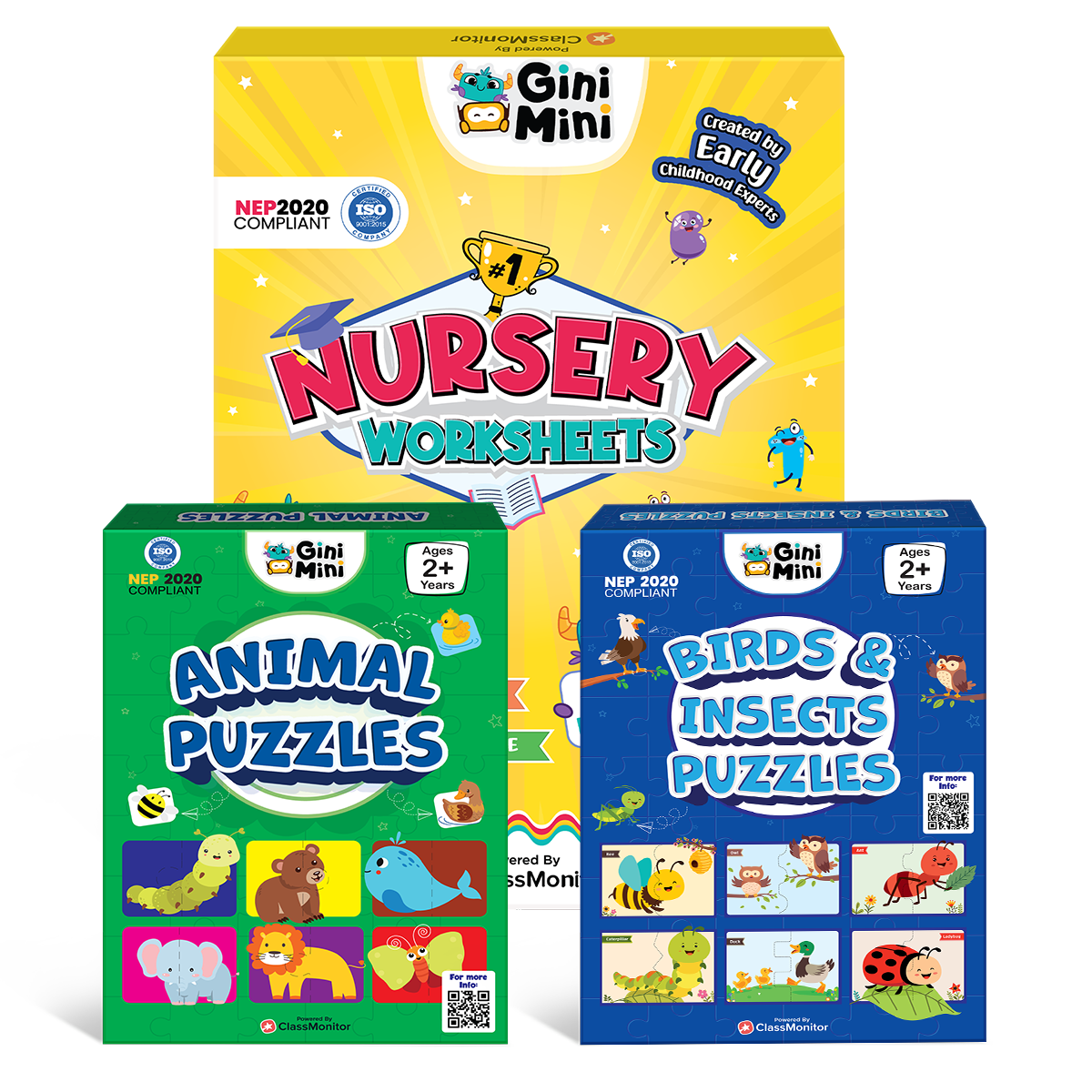
GiniMini focuses on hands-on, screen-free learning through puzzles, games, creative activities, storytelling, matching, building, and other forms of play that encourage children to explore and learn actively.
In this guide, we will explore why screens can be so appealing, how parents can make offline play more engaging, and simple screen-free activities for kids that can become part of everyday family life.
Why Is Making Offline Play Appealing Important?
The goal of reducing screen time should not be to make childhood entertainment boring. Instead, children need attractive alternatives that allow them to create, solve, imagine, move, and make decisions.
Hands-on play gives children opportunities to practise skills such as creativity, problem-solving, communication, concentration, fine motor coordination, and independence. GiniMini's own screen-free activity guidance highlights puzzles, crafts, building games, matching activities, pretend play, strategy games, and creative projects as ways children can develop these skills while playing.
There is also an important difference between keeping a child occupied and creating meaningful play. A child may spend an hour watching something without actively creating or solving anything. Offline play can instead give them something to do: build a structure, solve a puzzle, invent a story, sort objects, create artwork, or figure out how a game works.

Why Are Screens So Hard to Compete With?
Screens are designed to provide constant stimulation. There is always another video, another level, another character, or another story waiting. Offline play works differently. A puzzle may require patience before the picture comes together. A craft project requires the child to decide what to make. A building activity may involve trial and error.
That slower pace is not necessarily a disadvantage. In fact, it can be part of the value of screen-free play for children. The challenge for parents is making the first few minutes interesting enough for a child to want to continue.
Instead of saying, “Go play with your toys,” try giving your child a starting point: “Can you build a house for your favourite toy?” or “Can you find three things in this room that are the same colour?” A small invitation can turn an ordinary toy into an activity.

What Are the Best Ways to Make Offline Play More Appealing?
The best offline play ideas for kids usually have one thing in common: they give children something to discover, create, solve, or imagine.
1. Turn Ordinary Toys Into a Challenge
A toy does not always need to be used exactly as intended. A set of blocks can become a city. Toy animals can become characters in a story. Cars can become part of a pretend race. Even a simple puzzle can become a timed challenge.
Instead of handing your child a toy and walking away, give them a small mission. Ask, “Can you build the tallest tower you can?” or “Can you make a home for all these animals?” The challenge gives the activity a purpose while leaving the child in control.
Benefits: This type of play encourages creativity, problem-solving, spatial thinking, and independent decision-making.
2. Give Children Choices Instead of Instructions
One reason screens can be so attractive is that children feel completely immersed in what they are doing. Offline play can become more appealing when children have a similar sense of ownership.
Rather than choosing the activity for your child every time, offer two or three options. You could say, “Would you like to do a puzzle, make something, or play a guessing game?” The choices are limited, but the decision belongs to the child.
This small shift can make screen-free activities for kids feel less like a replacement imposed by parents and more like something they have chosen themselves.
Benefits: Choice supports independence, decision-making, confidence, and engagement.
3. Make Screen-Free Play Hands-On
Children often become more interested when they can physically touch, move, sort, build, match, and experiment. This is one reason hands-on learning can be a powerful alternative to passive entertainment.
For younger children, activities involving colours, shapes, counting, matching, puzzles, or fine-motor movements can be particularly engaging. GiniMini's DOT POP, for example, uses colour, counting, matching, patterns, and hands-on interaction for children aged 2–5.
Benefits: Hands-on play can support fine motor skills, early numeracy, concentration, visual thinking, and problem-solving.
4. Create a “Mystery Mission”

Children love discovering something. Hide a toy, puzzle piece, card, or object somewhere around the house and give your child a clue.
You could say, “Your first clue is somewhere near something you use for reading.” The next clue can lead them to another location until they discover a small surprise or activity.
The activity does not need to involve a prize. The mystery itself can be the fun part.
Benefits: Treasure hunts and scavenger-style activities encourage observation, movement, reasoning, memory, and curiosity. GiniMini also recommends indoor treasure hunts as a screen-free activity for children.
5. Give Creative Activities a Story
Colouring, drawing, stickers, craft activities, and paper projects can become much more engaging when there is a story behind them.
Instead of simply saying, “Let's colour,” try saying, “We're creating a special home for this animal. What should it look like?” Or give your child a character and ask them to invent an adventure.
Storytelling can transform a simple creative activity into an imaginative world. GiniMini's Stick-A-Story, for example, is designed around creating stories with stickers and story mats, combining creativity, early vocabulary, sequencing, and screen-free play.
Benefits: Story-based play encourages imagination, language development, sequencing, communication, and creative thinking.

6. Play Together for the First Few Minutes
Sometimes children do not reject offline play itself; they simply do not know how to get started. Sitting beside them for five or ten minutes can make a big difference.
Build the first tower together, start the first puzzle, create the first character, or play the first round of a game. Once your child becomes absorbed, gradually step back.

This approach can also turn screen-free play into valuable parent-child connection time rather than simply an alternative form of entertainment.
Benefits: Shared play can support bonding, communication, confidence, and eventually independent play.
7. Rotate Activities Instead of Offering Everything at Once
When children have access to too many toys simultaneously, novelty can disappear quickly. Consider keeping some activities away and rotating them every few days.
A puzzle that has been put away for two weeks can suddenly feel interesting again. The same principle can work with craft materials, card games, building sets, and activity kits.
GiniMini offers a broad range of puzzles, card games, creative activities, worksheets, pre-writing resources, and hands-on learning toys, making it possible to create different play experiences instead of relying on one activity repeatedly.
Benefits: Toy rotation can help maintain novelty, encourage deeper engagement, and reduce the feeling that children have “nothing to do.”
8. Create a Screen-Free Play Corner
A dedicated play area does not need to be large. A small shelf, basket, or table can become a child's screen-free activity zone.
Keep a few age-appropriate options within easy reach: a puzzle, colouring materials, building pieces, a card game, or a creative activity. The aim is to make the offline choice visible and accessible.
For toddlers, a screen-free activity box can be particularly useful. GiniMini's 10-in-One Toddler Busy Box combines activities such as sensory play, matching, stories, lacing, sorting, and counting to encourage hands-on and independent play.
Benefits: A predictable play space can support independence, organisation, concentration, and self-directed exploration.
How Does Offline Play Benefit Children?
Offline play for kids is valuable because it gives children opportunities to actively participate in their own learning. Instead of simply consuming content, they can make choices, experiment, make mistakes, try again, and create something of their own.
Puzzles can encourage problem-solving. Building activities can support spatial thinking. Creative play can encourage imagination. Matching and sorting games can strengthen early cognitive skills. Storytelling can develop communication. Many activities also involve fine motor movements and hand-eye coordination.
GiniMini describes its products around skills including problem-solving, focus, fine motor development, early literacy, early numeracy, creativity, and independent play.
This is why the goal should not simply be “less screen time.” A more useful goal is more meaningful play time.
How Can Parents Make Screen-Free Play Exciting Again?
You do not need to recreate the excitement of a screen with increasingly complicated toys. Instead, change the way the activity is introduced.
Add a challenge. Tell a story. Let your child choose. Play alongside them. Hide the pieces and create a treasure hunt. Give them a problem to solve. Ask them to invent their own rules.
Most importantly, avoid turning every activity into a lesson. Children should have opportunities to play simply because something is interesting. GiniMini's recent guidance similarly recommends adding stories, challenges, choices, and hands-on exploration to make familiar screen-free activities feel fresh again.
Expert Parent Tips for Reducing Screen Dependence
Start with small transitions: Instead of expecting your child to immediately move from a favourite show to an hour of independent play, begin with a short offline activity.
Create a predictable routine: A regular screen-free play period can eventually become part of the child's normal day.
Avoid presenting play as punishment: “No screen, so go play” can make offline activities feel like the boring alternative.
Make the first step easy: Put the puzzle on the table, set out the craft materials, or build the first few pieces yourself.
Follow their interests: If your child loves animals, use animal puzzles, stories, pretend play, or matching games rather than forcing an unrelated activity.
Allow boredom: Children do not need to be entertained every minute. A little boredom can give them space to invent their own games and ideas.
Frequently Asked Questions
How do I make my child interested in offline play?
Make offline play active rather than simply giving your child toys. Add challenges, stories, choices, movement, and opportunities to create or solve something. Starting the activity together can also help children transition from screens.
What are the best screen-free activities for kids?
Puzzles, building games, creative projects, pretend play, scavenger hunts, storytelling, matching games, card games, and sensory activities can all provide engaging screen-free experiences. The best activity depends on the child's age and interests.
Why does my child prefer screens to toys?
Screens provide fast, continuous stimulation and require little effort to begin. Many offline activities take longer to become interesting. Giving children a clear starting point, a small challenge, or a choice can make offline activities more inviting.
How can I encourage independent play?
Create an accessible play space with a small selection of familiar activities. Start by playing alongside your child, then gradually step away. Puzzles, building activities, matching games, creative kits, and activity boxes can provide useful starting points for independent exploration.
How much screen-free play should children have?
There is no single amount of offline play that works for every child. The important goal is to create regular opportunities for active, hands-on, imaginative, social, and independent play alongside other parts of a child's daily routine.
Recommended GiniMini Blogs
Parents looking for more ideas can explore How to Make Screen-Free Activities Feel Exciting Again, which discusses using choices, challenges, creativity, and hands-on learning to make familiar activities more engaging.
How to Make Screen-Free Activities Feel Exciting Again
You can also read How to Keep Kids Busy at Home With Fun Screen-Free Activities, which covers treasure hunts, reading corners, puzzles, building challenges, and other activities for children.
How to Keep Kids Busy at Home With Fun Screen-Free Activities
For parents thinking about the difference between simple entertainment and meaningful play, The Difference Between Keeping Kids Busy and Helping Them Learn explores how play can encourage creativity, problem-solving, communication, and independence.
The Difference Between Keeping Kids Busy and Helping Them Learn

The “one more episode” problem is rarely solved by simply taking the screen away. Children need something worth moving towards.
That might be a puzzle waiting to be solved, a story waiting to be created, a building challenge waiting to be attempted, or a game that gives them a reason to keep playing. Offline play becomes appealing when children have something to discover, create, control, and enjoy.
The goal is not to make every minute educational. It is to create a childhood where screens are one option among many—and where hands-on play, imagination, curiosity, and independent exploration still have plenty of room.
With the right environment and a little creativity, “one more episode” can gradually become, “Can we play one more game?”