
Wondering how to keep kids busy at home? Discover 25 fun, educational, and screen-free activities that boost creativity, learning, and independent play for children aged 2–8 years.
Keeping kids busy at home becomes easier when activities combine fun, learning, and creativity. Screen-free options such as puzzles, pretend play, science experiments, treasure hunts, building challenges, and educational toys help children stay engaged while developing essential life skills. The best activities are age-appropriate, easy to set up, and encourage independent exploration.
Why Is It Important to Keep Kids Engaged at Home?
Children naturally learn through play. Engaging activities help develop:
-
Creativity
-
Communication skills
-
Problem-solving abilities
-
Fine motor skills
-
Concentration
-
Confidence
-
Independence
Research and educational experts consistently emphasize the importance of hands-on learning experiences during early childhood development.

What Are the Best Screen-Free Activities for Kids at Home?
1. Create an Indoor Treasure Hunt
Hide objects around the house and provide clues for children to follow. This fun activity develops observation skills, logical thinking, and physical movement while keeping kids actively engaged.

2. Build a Reading Corner
Create a cozy reading space with books, cushions, and soft lighting. A dedicated reading corner supports vocabulary growth, imagination, and focus while making reading more enjoyable.

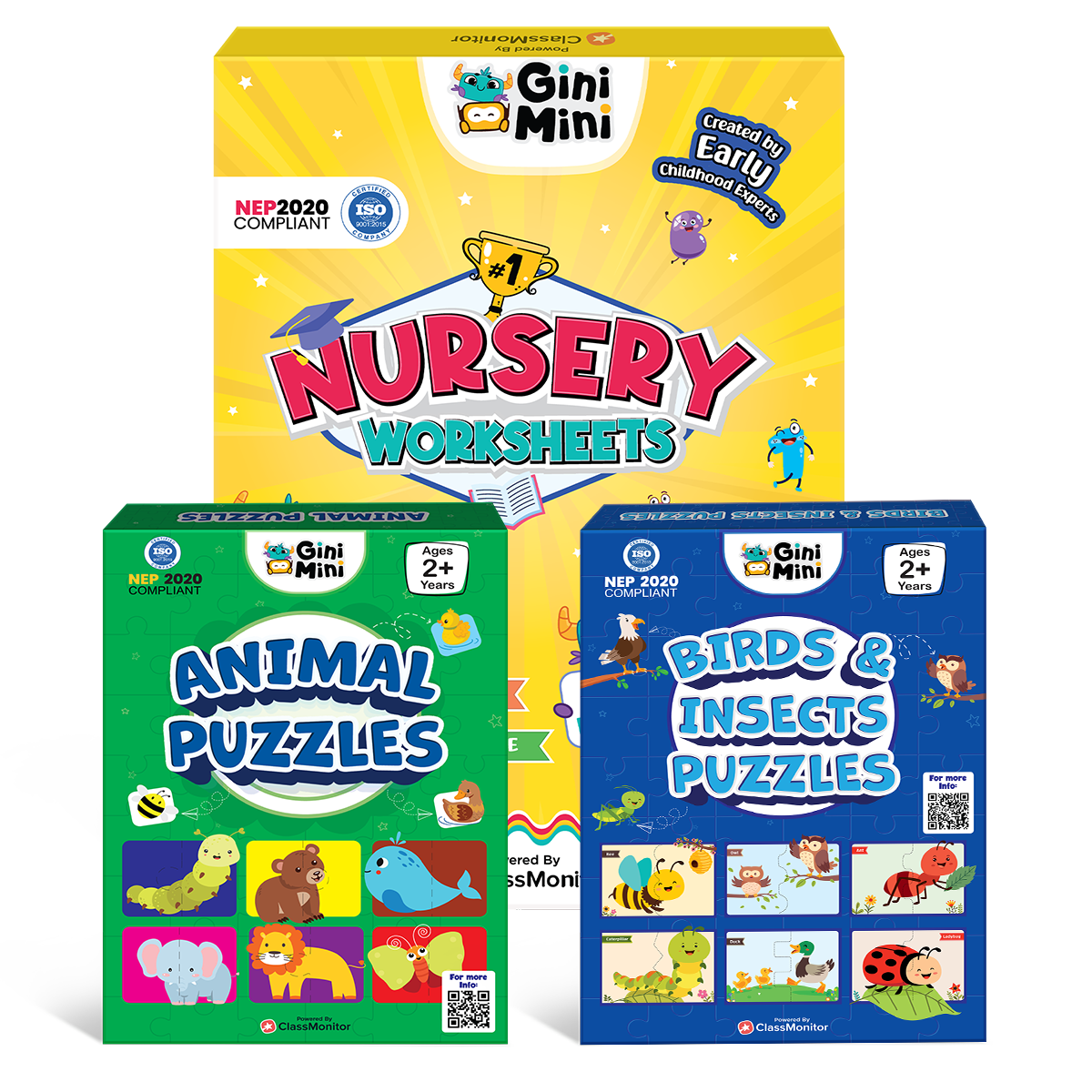
3. Try Puzzles
Try jigsaw puzzles to help children improve concentration and problem-solving skills. Puzzles can be an engaging, long-lasting activity that children can enjoy independently or with family.
4. Organize a Dance Party
Play music and encourage children to move and dance freely. Dancing supports physical fitness, coordination, and mood improvement while giving children an enjoyable way to stay active.
5. Build with Everyday Objects
Use cardboard boxes, cups, and recycled materials to build different structures. This simple activity encourages engineering thinking, creativity, and problem-solving as children experiment with their ideas.
6. Play Pretend Games
Encourage children to become doctors, chefs, teachers, astronauts, or other characters using everyday household items. Pretend play supports social skills, language development, and creativity while allowing children to explore their imagination.
7. Try Simple Science Experiments
Easy science activities can turn an ordinary day into an exciting learning experience. Try making a baking soda volcano, mixing colours with water, or seeing which objects float or sink. These hands-on experiments encourage children to ask questions, make observations, and learn through exploration. They also help develop curiosity, encourage scientific thinking, and improve observation skills.
8. Get Kids Involved in Simple Household Tasks
Everyday chores can become fun learning opportunities when children are given age-appropriate responsibilities. Ask them to sort laundry by colour, water indoor plants, organize their toys, or help set the dining table. These simple tasks teach responsibility, build independence, and develop life skills while keeping children meaningfully engaged.
9. Introduce Building and Construction Challenges
Give children building blocks, magnetic tiles, or construction toys and challenge them to create something unique, such as a castle, bridge, animal shelter, or dream home. Open-ended building activities encourage children to think creatively, solve problems, and experiment with different designs. They can enjoy these activities independently or work together with siblings. This helps develop problem-solving skills, encourage creativity and imagination, and improve spatial awareness and fine motor skills.

10. Explore Educational Toys and Open-Ended Play
Educational toys can keep children engaged for longer because they encourage creativity, problem-solving, and independent thinking. Choose open-ended options such as wooden puzzles, stacking toys, building sets, pretend play kits, and activity games that children can enjoy in different ways as they grow. Rotating these toys every few weeks can also maintain their interest and make playtime feel fresh. These activities encourage independent play, develop problem-solving and critical thinking, and support learning through hands-on exploration.

How Do Screen-Free Activities Benefit Children?
Screen-free activities do much more than keep children occupied—they help build essential life skills. Whether your child is solving puzzles, pretending to be a chef, building with blocks, or exploring science experiments, every activity supports healthy development.
Some key benefits include:
-
Improves creativity and imagination
-
Develops problem-solving and critical thinking skills
-
Strengthens fine and gross motor skills
-
Builds confidence and independence
-
Encourages communication and social skills
-
Reduces unnecessary screen time
-
Creates meaningful family bonding opportunities
By offering a variety of age-appropriate activities, parents can help children stay engaged while learning through play.
Expert Tips for Keeping Kids Busy at Home
Parent Tip: Instead of introducing all toys at once, rotate them every one or two weeks. This simple strategy keeps playtime exciting and encourages children to rediscover toys they already own.
Parent Tip: Create a daily routine that balances active play, creative activities, reading, and quiet time. A predictable schedule helps children know what to expect and reduces boredom.
Parent Tip: Join your child for the first few minutes of an activity, then encourage them to continue independently. This builds confidence and supports self-directed play.

Frequently Asked Questions
1. How can I keep my kids busy at home without screens?
Encourage activities like puzzles, pretend play, building blocks, sensory bins, treasure hunts, and simple science experiments. These activities keep children engaged while supporting creativity, learning, and independent play.
2. What are the best indoor activities for toddlers?
Toddlers enjoy stacking toys, wooden puzzles, sensory play, pretend play, and simple arts and crafts. Choose activities that are safe, hands-on, and appropriate for their age.
3. How much screen time is recommended for children?
The American Academy of Pediatrics (AAP) recommends balancing screen time with plenty of physical activity, creative play, reading, and family interaction. Similarly, UNICEF encourages parents to combine digital media with active play and real-world learning experiences to support healthy child development. Prioritizing screen-free activities helps children develop socially, emotionally, and cognitively.
4. How do I stop my child from saying "I'm bored"?
Instead of immediately offering a screen, encourage your child to choose from a few engaging activities such as building with blocks, solving puzzles, or creating imaginative stories. Rotating toys regularly also helps maintain interest.
5. What toys keep children engaged the longest?
Open-ended toys like building blocks, wooden puzzles, pretend play sets, and educational games encourage children to play in different ways, making them enjoyable for longer periods.
6. How can I encourage independent play?
Start by playing with your child for a few minutes, then gradually let them continue on their own. Offering age-appropriate toys and a distraction-free play space also encourages independence.
7. Why are screen-free activities important?
Screen-free play supports creativity, problem-solving, communication, social skills, and physical development while reducing excessive screen exposure.
8. What are the best educational toys for kids at home?
Educational toys such as puzzles, building blocks, pretend play sets, and STEM-inspired activities help children learn while having fun and encourage hands-on exploration.
Conclusion
Keeping kids engaged at home doesn't require expensive gadgets or endless screen time. Puzzles, building activities, pretend play, science experiments, and educational toys can make everyday play fun while supporting important life skills.
Choose activities based on your child's age, interests, and energy level, and turn ordinary days at home into meaningful learning adventures.
Recommended GiniMini Toys for Screen-Free Play
Here are some GiniMini toys that naturally complement the screen-free activities discussed in this guide and help children learn through play:
-
Wooden Puzzles – Great for developing problem-solving and fine motor skills.
-
Stacking and Balancing Toys – Help improve hand-eye coordination and concentration.
-
Building Blocks and Construction Toys – Encourage creativity, logical thinking, and STEM learning.
-
Pretend Play Sets – Build imagination, communication, and social skills through role play.
-
Educational Toys – Promote independent learning while making playtime meaningful.
Related Blogs You May Enjoy
1. 10 Screen-Free Ways to Survive Winter Break (Without Losing Your Mind)
2. Puzzles for Early Childhood Brain Development: Essential Tools for Cognitive Growth
3. 5 Signs Your Toddler is Ready for Writing (And How to Start Today)