
Do children need every moment to be educational? Discover why unstructured play, boredom, and everyday experiences are essential for child development, creativity, independence, and learning through play. Learn how parents can support children's growth without turning every activity into a lesson.
When Did Play Become Another Lesson?![]()
Have you ever watched your child turn a cardboard box into a fort or invent stories with their toys? As parents, we often feel the need to make every moment educational.
With endless learning apps, worksheets, and educational toys, play can start feeling like a missed learning opportunity.
But children don’t need every moment to be educational to learn something meaningful. Unstructured play encourages creativity, curiosity, independence, and problem-solving.
Let’s explore why children need time to play freely and how parents can balance intentional learning with simply letting children be children.
Why Is It Important to Let Children Play Without a Purpose?
Children learn through exploring, experimenting, and interacting with the world around them. Unlike structured activities, unstructured play allows children to follow their curiosity, make decisions, and use their imagination freely.
For example, a child playing with building blocks might start with a tower, turn it into a castle, and eventually create an imaginary city. Along the way, they practise problem-solving, creativity, and spatial awareness without a formal lesson.

Whether they're observing insects or inventing stories, children develop valuable skills through everyday play. The goal isn't to replace structured learning but to balance it with freedom to explore, discover, and simply enjoy being a child.
What Happens When Every Activity Becomes a Lesson?

Children May Stop Exploring for Themselves
When adults direct every activity, children may rely on instructions instead of developing their own ideas. Allowing them to explore independently encourages curiosity, decision-making, and discovery.
Creativity Needs Room to Wander
Children develop creativity by inventing stories, combining toys, and experimenting with new ideas. Free play gives them the freedom to imagine, explore, and learn without worrying about getting everything right.
Constant Guidance Can Make Play Feel Like Work
When every game involves questions, corrections, or expectations, play can feel like another assignment. Children also need time to enjoy activities simply for fun. Instead of asking what they learned, try asking, "Tell me about what you made!"
How Do Children Learn When Nobody Is Teaching Them?
1. Unstructured Play Builds Problem-Solving Skills

When a block tower falls or a game doesn't go as planned, children learn to experiment and find solutions. Giving them time to solve small challenges independently builds problem-solving skills and resilience.
2. Boredom Encourages Independent Thinking
When children say, "I'm bored!", resist the urge to fill every moment. With a little time and encouragement, they may invent games, draw, or create imaginary worlds. These experiences can nurture creativity and initiative.
3. Everyday Experiences Develop Language and Social Skills
Conversations, pretend play, and helping with everyday tasks give children opportunities to practise communication, cooperation, and emotional understanding. Simple interactions can support learning without formal lessons.
4. Independent Play Builds Confidence
Choosing what to play and deciding how to explore helps children develop independence and confidence. Give them room to make decisions while remaining available for guidance and support when needed.
How Can Parents Balance Learning and Free Play?
The answer is not to stop buying educational toys or abandon structured activities. It is to make sure that learning opportunities complement childhood rather than dominate it.

Offer Open-Ended Toys and Activities
Choose materials that can be used in different ways. Building blocks, clay, crayons, pretend-play props, and simple puzzles allow children to explore multiple possibilities instead of following only one fixed outcome.
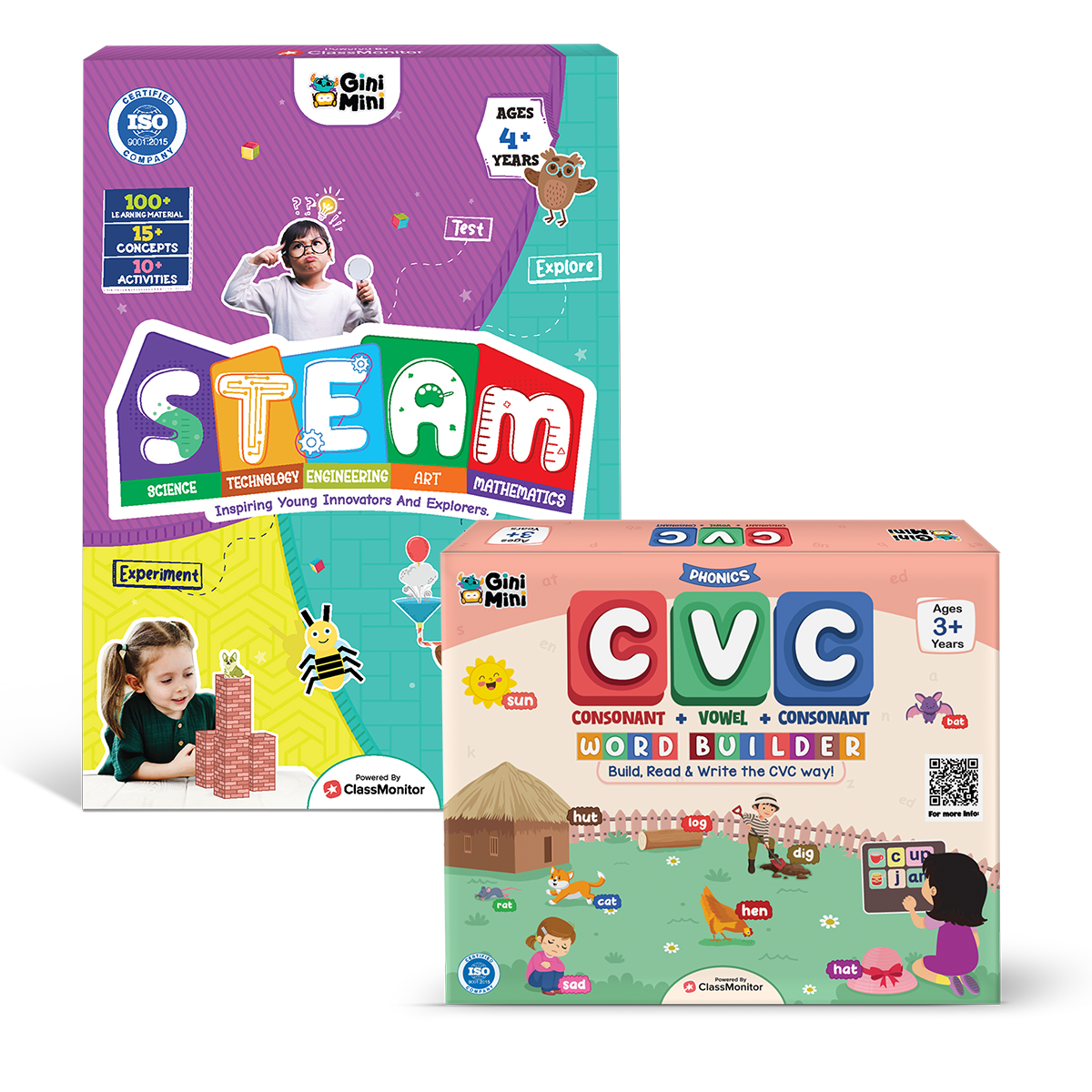
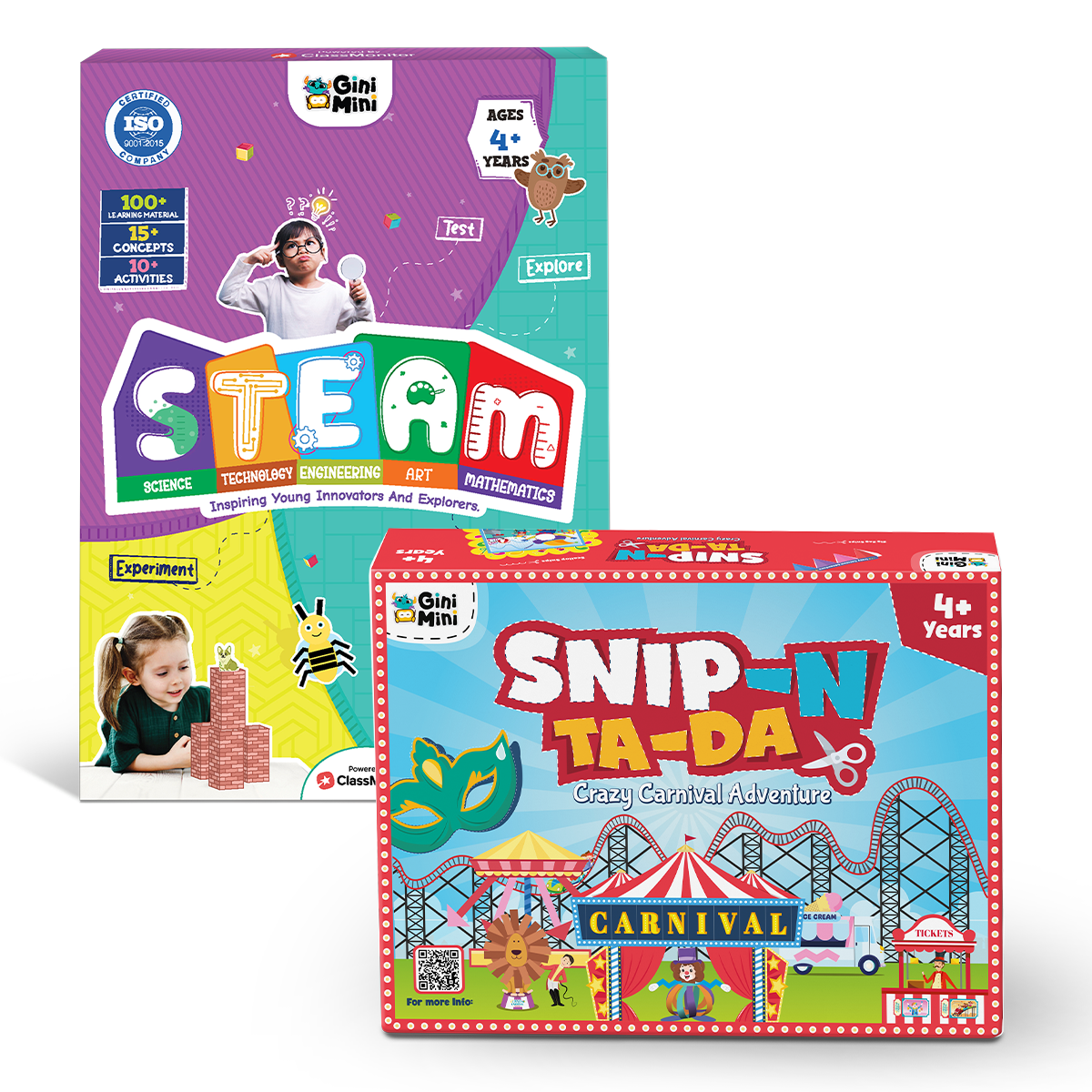
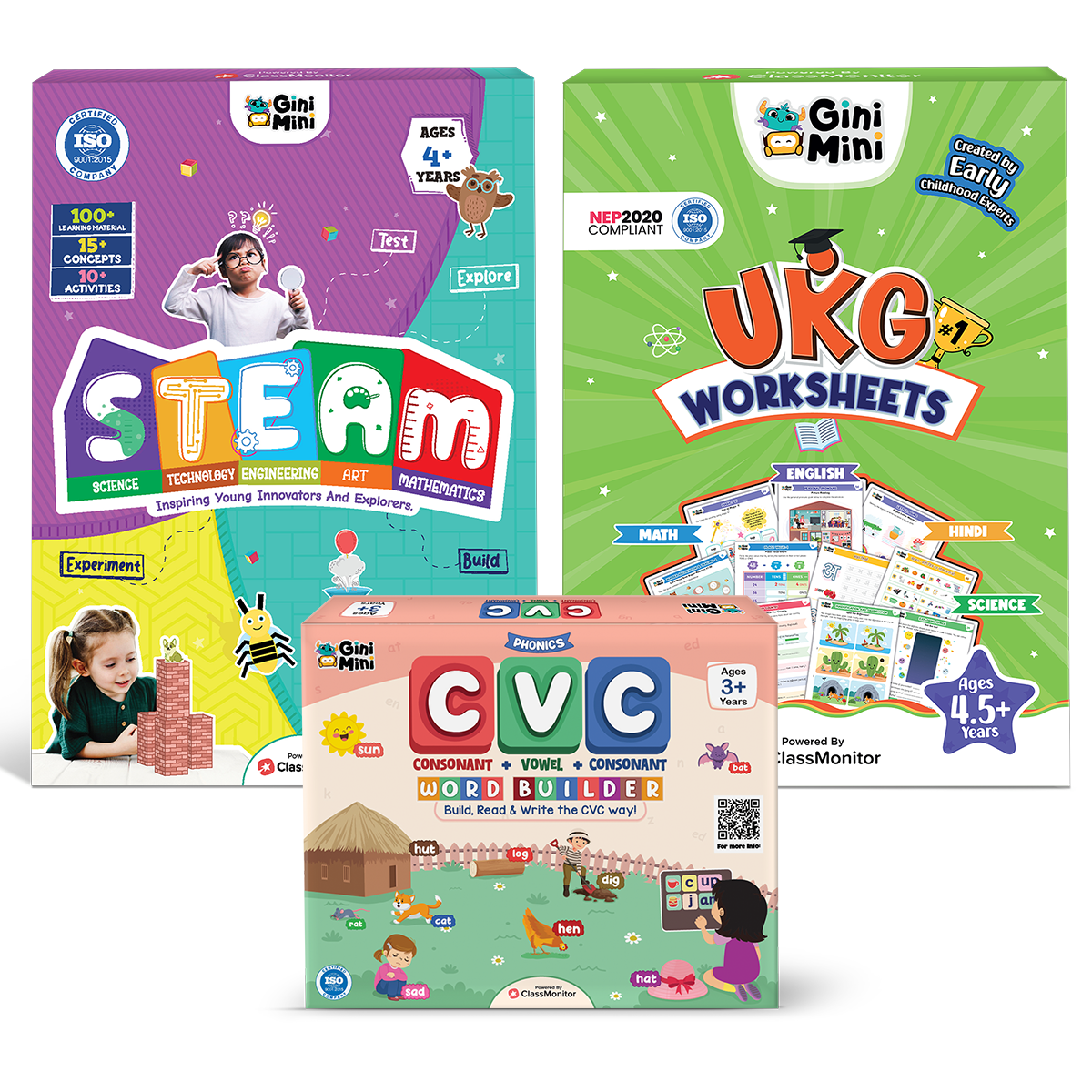
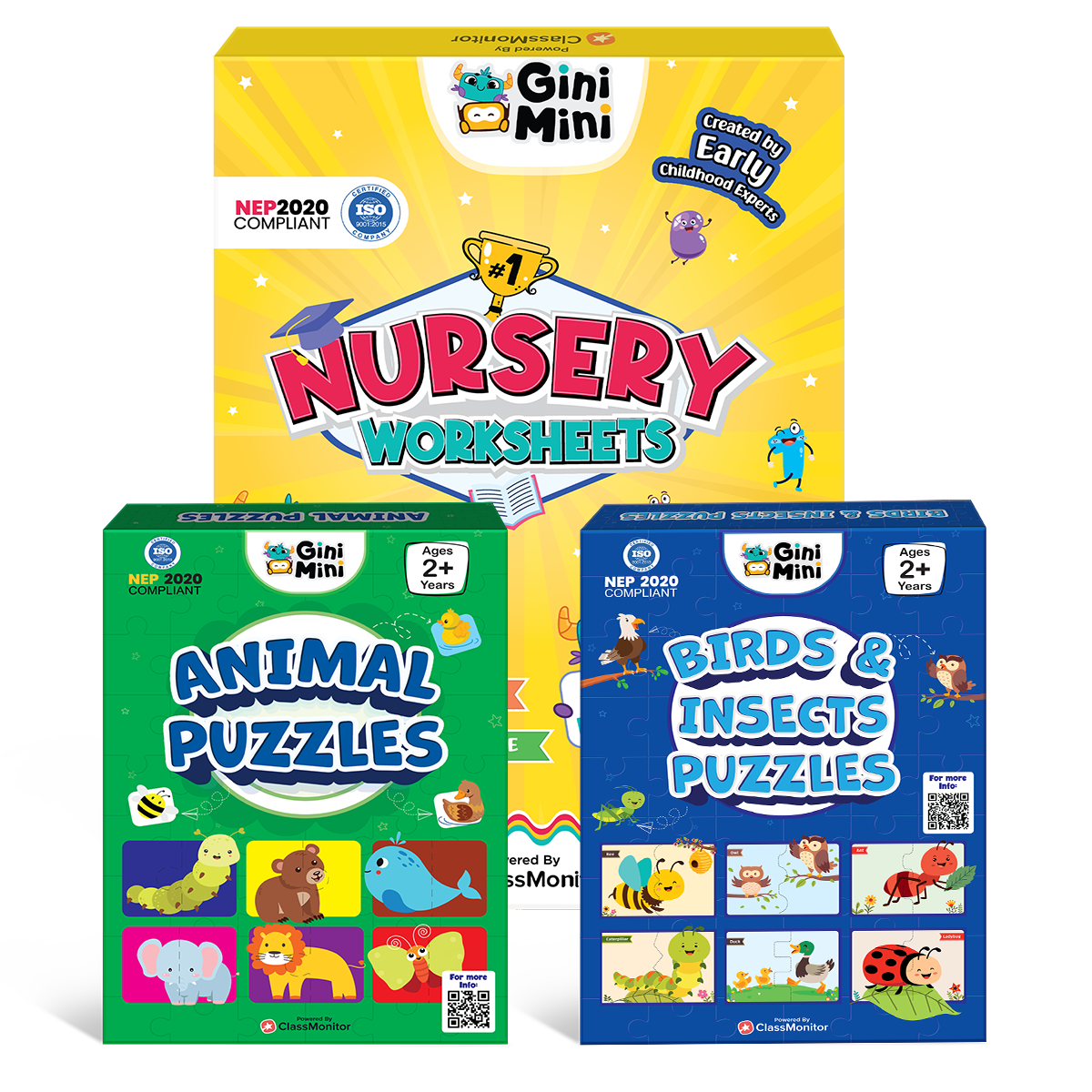
GiniMini offers hands-on learning resources, including puzzles, creative activity kits, pre-writing materials, and educational games for different age groups. These can provide children with engaging starting points for exploration while leaving room for imagination and independent choices.

Explore the GiniMini collection to discover age-appropriate activities that complement your child's interests.
Follow Your Child's Curiosity
If your child becomes interested in butterflies, let the conversation continue. If they want to build a pretend kitchen, give them time to develop the idea. Children's interests can become natural starting points for learning without requiring parents to plan a formal activity.
You can participate by listening, offering materials, or answering questions when appropriate. You do not need to direct every step.
Allow Children to Make Mistakes
Resist the urge to correct every small mistake or show children the quickest way to finish an activity. When a child is safe and the challenge is appropriate for their abilities, give them time to experiment.
Ask questions such as, "What do you think might work?" or "Would you like to try another way?" These prompts encourage thinking without taking over the experience.
Protect Time for Free Play
Create opportunities during the day when children can choose their own activities without a specific learning target. This could be time after school, a relaxed weekend morning, or a short period before dinner.
The duration will depend on your child's age, temperament, and needs. What matters is creating regular opportunities for child-led exploration without expecting every activity to produce a measurable result.
How Does Balanced Play Support Child Development?
A balance of structured activities and free play helps children develop problem-solving, language, creativity, and fine motor skills. Playing with others also encourages sharing, cooperation, and understanding different perspectives.
Beyond academic skills, free play nurtures curiosity, independence, and confidence, giving children the freedom to explore their interests and try new things. Every child develops differently, so offer varied play experiences and let them learn at their own pace.
The GiniMini Perspective: Learning Should Feel Like Childhood
At GiniMini, play-based learning is about making meaningful experiences accessible through hands-on activities that encourage children to explore, create, and participate.
Educational toys and activity kits can introduce useful challenges, but they do not need to dictate every moment of play. A puzzle can be completed, rearranged, or turned into a storytelling game. Clay can become a creative project without a prescribed final result. A building activity can begin with an idea and end somewhere completely unexpected.
Parents can explore GiniMini's learning resources to find activities suited to their children's interests and developmental stages. These resources can complement everyday play, not replace the freedom children need to imagine, experiment, and discover.
Because meaningful learning does not always happen when adults explain something. Sometimes it happens when children are given the freedom to find out for themselves.
Final Thoughts: Let Childhood Be More Than a Learning Plan
As parents, it is natural to want to make every opportunity count. We want our children to develop useful skills, become confident, and be prepared for the future. But childhood does not need to be measured by how many activities a child completes or how much they learn in a single afternoon.
Some moments will involve reading, counting, creating, or solving a problem. Others will involve building an imaginary world, watching clouds, repeating a favourite game, or doing absolutely nothing for a while.
All of these experiences can have a place in a healthy childhood.
So, the next time your child starts playing, resist the urge to turn it into a lesson. Give them time to explore, make a mess when it is safe to do so, ask their own questions, and follow their imagination.
Children do not need every moment to teach them something. They need the freedom to discover that the world is full of things worth learning about.

Frequently Asked Questions
1. Do children need educational activities every day?
Children benefit from regular opportunities to learn, but these do not need to be formal lessons. Everyday conversations, play, reading, creative activities, and exploration can all support development. A balanced routine should also include rest and free play.
2. What is unstructured play, and why is it important?
Unstructured play is child-led play without a fixed outcome or detailed adult instructions. It gives children opportunities to use imagination, make choices, experiment, and explore their interests. It can support creativity, independence, and problem-solving.
3. Does boredom help children become more creative?
Boredom can encourage children to search for their own activities and ideas, although it does not automatically lead to creativity. Some children may need gentle suggestions or support before they begin exploring independently.
4. How can parents encourage learning without putting pressure on children?
Offer interesting materials, follow your child's curiosity, ask open-ended questions, and allow them to make mistakes. Avoid expecting every activity to produce a measurable result. Focus on creating enjoyable opportunities for exploration rather than testing children constantly.
5. Are educational toys necessary for learning through play?
No. Children can learn through everyday objects, outdoor exploration, conversation, and pretend play. Educational toys and activity kits can provide additional opportunities for hands-on learning, but the value comes from how children interact with the materials.
6. What are the best screen-free activities for children at home?
Drawing, building with blocks, puzzles, pretend play, clay modelling, storytelling, and simple household activities are useful options. Choose activities that suit your child's age and interests, and allow them to explore without needing constant adult direction.
Recommended GiniMini Blogs
Continue exploring these related articles for more ideas on supporting meaningful play and independent learning.
How to Keep Kids Busy at Home With Fun Screen-Free Activities explores practical ways to encourage creative, screen-free play at home.
The Difference Between Keeping Kids Busy and Helping Them Learn explains why meaningful engagement matters more than simply filling children's time.
How Play Teaches Children to Solve Problems Independently explores how play helps children experiment, make decisions, and learn from mistakes.
Why Sensory Play Keeps Little Minds Curious explains how hands-on sensory experiences can encourage curiosity and exploration.
Explore more on GiniMini for playful learning resources designed for growing minds.