




Discover why letting children try things independently helps build confidence, problem-solving skills, and resilience. Learn practical parenting tips to encourage independence in children through everyday activities and play-based learning.
As parents, we naturally want to protect our children from frustration, disappointment, and failure. When a child struggles to wear their shoes, complete a puzzle, pack their toys, or solve a simple problem, stepping in can feel like the quickest way to help. But have you ever wondered whether doing everything for your child might prevent them from discovering what they can do themselves?
Building confidence in children starts with giving them opportunities to try, make mistakes, and learn independently. Children do not develop independence overnight. They build it gradually through small, everyday experiences that teach them to make decisions, solve problems, and trust their abilities.
In this blog, we explore why independent learning matters, how overhelping can affect a child's confidence, and practical ways parents can encourage independence through everyday routines and play-based learning.
Why Is Independence Important for Children?
Independence is an important part of a child's development. It helps children learn to make choices, take responsibility for simple tasks, and approach unfamiliar situations with greater confidence. When children complete something on their own, even a small task, they experience the satisfaction of knowing their efforts made a difference.
Doing everything for children can unintentionally send the message that they cannot manage tasks without adult assistance. Over time, some children may become hesitant to try unfamiliar activities or may immediately seek help when they encounter a challenge.
This does not mean parents should stop helping. Children need guidance, reassurance, and age-appropriate support. The goal is to find a healthy balance between helping children when necessary and giving them enough freedom to practise independence.
How Can Doing Everything for Your Child Limit Confidence?
1. It Reduces Opportunities to Build Self-Belief

Children develop self-confidence through experience. When a child puts on their shoes, completes a puzzle, or tidies their toys independently, they begin to recognise their own abilities. If an adult consistently takes over, the child loses opportunities to experience these small successes.
Instead of immediately completing the task, allow your child some time to attempt it. Even if the result is imperfect, acknowledging their effort can help them feel capable and motivated to try again.
2. It Can Make Children Afraid of Making Mistakes

When parents frequently correct, rescue, or take over, children may begin to believe that getting something wrong should be avoided. However, mistakes are a natural part of learning. A tower that falls or a puzzle piece that does not fit can teach children to adjust their approach and try another solution.
Encourage a growth-oriented mindset by treating mistakes as learning opportunities rather than failures. Ask, "What could we try differently?" instead of immediately showing the correct answer.
3. It Limits Problem-Solving Skills

Children learn problem-solving by encountering challenges and exploring possible solutions. When adults resolve every difficulty immediately, children have fewer opportunities to practise thinking independently.
For example, if your child cannot find a missing toy, encourage them to think about where they last played. If a building-block structure keeps falling, ask what might make its base stronger. These simple questions encourage observation, reasoning, and creative thinking.
4. It Can Increase Dependence on Adult Approval

Children need encouragement, but they also need opportunities to make decisions without constantly checking whether an adult approves. When every choice is directed by a parent, children may become less comfortable deciding what to do next.
Offer simple choices, such as selecting a book, choosing between two outfits, or deciding which activity to try first. These everyday decisions help children practise independent thinking in a supportive environment.
How Can Parents Encourage Independence in Children?
1. Let Them Try Everyday Tasks
Everyday routines provide natural opportunities to develop independence. Depending on their age and abilities, children can practise putting away toys, carrying their own water bottle, choosing clothes, washing their hands, or helping organise their belongings.
These activities may take longer when children do them themselves, but the process offers valuable practice. Start with manageable tasks and gradually increase responsibility as your child becomes more comfortable.
2. Use Play-Based Learning to Build Confidence

Play is a natural way for children to explore, experiment, and learn through experience. Puzzles, building blocks, matching games, pretend play, and creative activities give children opportunities to make decisions and discover solutions.
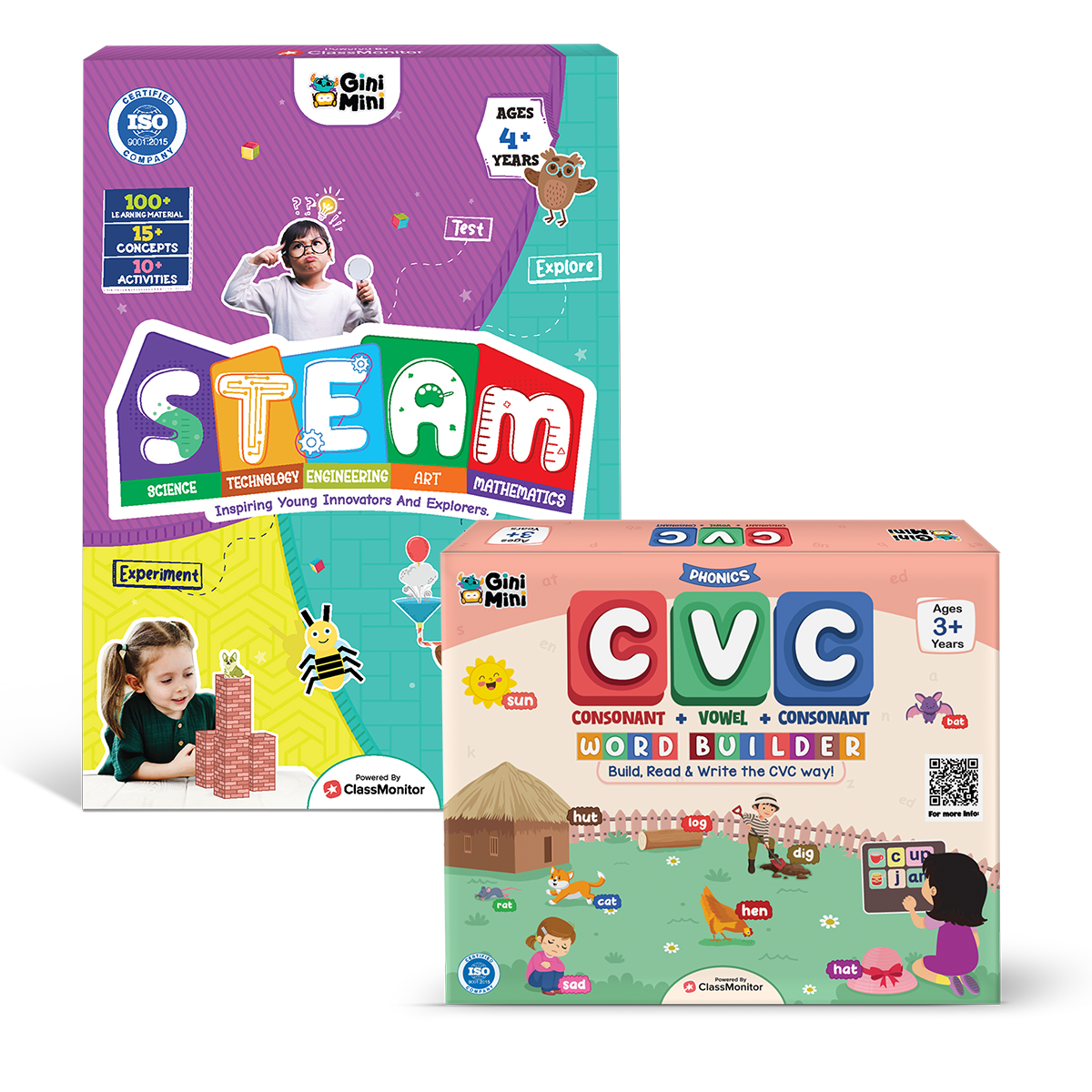
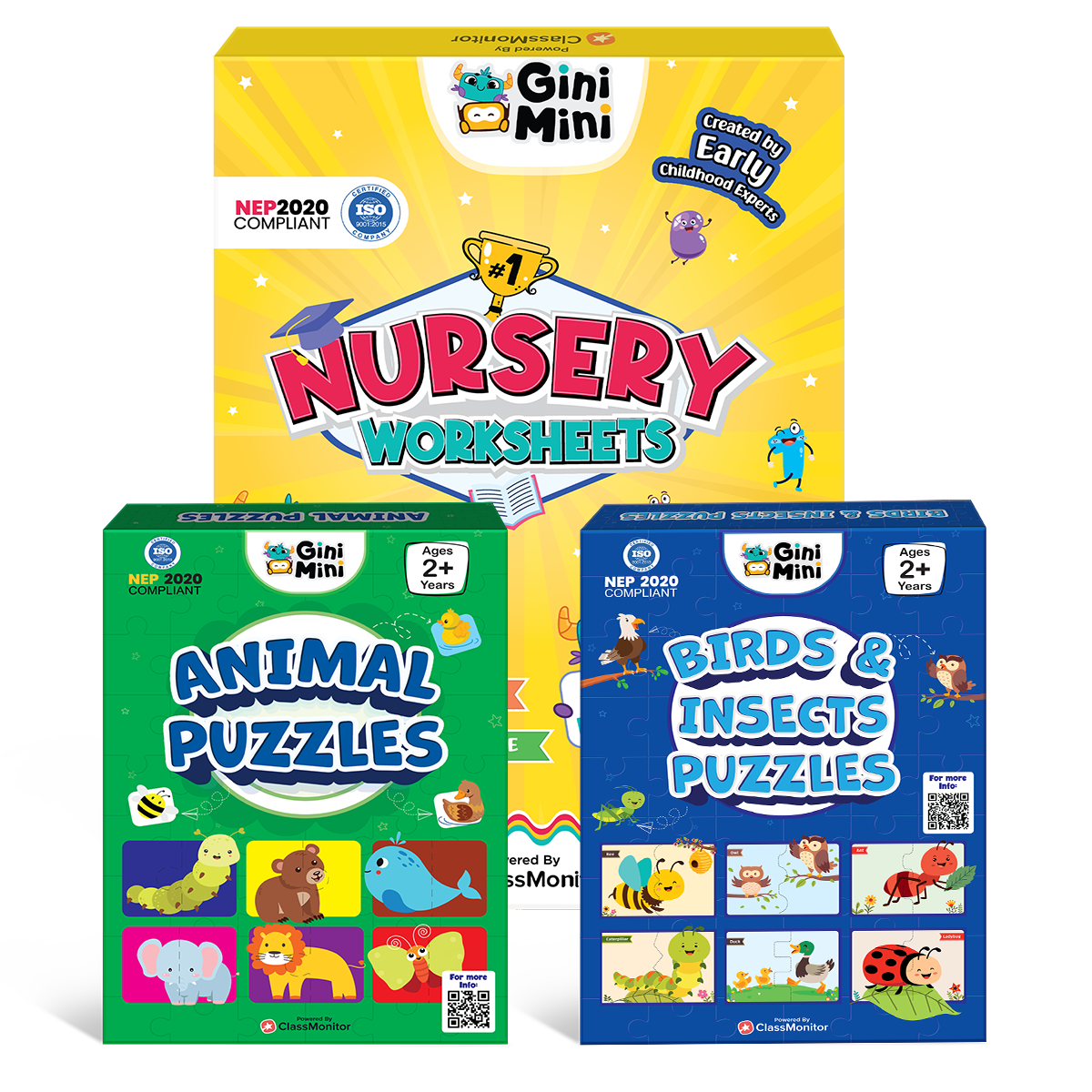
GiniMini focuses on hands-on learning experiences that encourage curiosity, creativity, critical thinking, and problem-solving. Parents can explore age-appropriate GiniMini learning activities to introduce playful challenges that children can attempt with suitable guidance.
The key is to let children participate actively rather than completing every step for them.
3. Ask Questions Instead of Giving Immediate Answers

When children ask for help, pause before stepping in. Sometimes, a guiding question is enough to help them continue.
Try asking, "What have you tried so far?", "Which piece do you think might fit?" or "What could you do next?" These questions encourage children to think through a situation rather than depend entirely on an adult's solution.
If your child remains frustrated, offer a small hint or demonstrate one step before letting them continue independently.
4. Allow Safe, Age-Appropriate Mistakes
Children need opportunities to experience manageable challenges in a safe environment. If your child struggles to balance blocks or complete a simple craft, resist the urge to fix everything immediately.
Give them time to experiment and understand what works. For young children, this may require close supervision and hands-on support. Independence should always develop within appropriate safety boundaries.
5. Appreciate Effort, Not Just Results
Instead of praising only successful outcomes, acknowledge the process your child followed. Say, "You kept trying different pieces until you found the right one," or "You remembered to put your toys away without a reminder."
Specific encouragement helps children recognise their own effort, persistence, and decision-making. It also communicates that learning matters more than getting everything right the first time.
6. Give Them Time to Complete Tasks
Children often work more slowly than adults. Rushing through every routine or taking over to save time can reduce opportunities for practice.
Whenever possible, build a little extra time into everyday activities. Let your child attempt a task, offer help when needed, and allow them to finish at their own pace. Patience from parents creates space for children to develop practical skills gradually.
How Does Independence Benefit Children's Development?
Encouraging independence can support several areas of child development. Children gain opportunities to practise decision-making, problem-solving, persistence, and self-help skills. They can also learn to communicate their needs, manage age-appropriate responsibilities, and approach new situations with greater confidence.
Independent play is another valuable opportunity. When children choose an activity, create a story, build something, or work through a puzzle, they practise directing their attention and making decisions. Parents can provide a safe environment and remain available without controlling every moment of the activity.
At GiniMini, play-based learning supports this idea by making children active participants in their learning experiences. Through hands-on games and activities, children can explore concepts, test ideas, and develop skills at an age-appropriate pace.
Expert Tips for Parents: Help Without Taking Over
The goal is not to make children do everything alone. It is to provide the right amount of support at the right time.
Start by observing what your child can already manage. Introduce one small responsibility at a time and demonstrate new tasks when necessary. If your child struggles, give them an opportunity to try before offering help. For younger children, work alongside them initially and gradually reduce assistance as their abilities develop.
Avoid comparing your child's progress with that of other children. Every child develops at a different pace, and some tasks will require more practice than others. Celebrate small improvements and make room for frustration without treating it as a problem that must always be eliminated.
Most importantly, remember that independence grows through repeated experiences. A child who cannot complete a task today may manage part of it tomorrow and eventually do it alone.
Conclusion: Give Your Child the Chance to Discover Their Abilities
Sometimes, the most helpful thing a parent can do is step back and allow a child to try. A small struggle with a puzzle, an attempt to dress independently, or a decision about what to build can become an opportunity to practise confidence and problem-solving.
When parents provide encouragement without taking over, children gradually learn that they are capable of facing challenges, making choices, and finding solutions.
At GiniMini, we believe that meaningful learning happens when children actively explore and participate. Through everyday routines, hands-on activities, and play-based learning, parents can create opportunities for children to grow more independent, one small achievement at a time.
Let them try. Let them learn. And give them the space to discover what they can do.

Frequently Asked Questions (FAQs)
1. Why is independence important for children?
Independence gives children opportunities to practise decision-making, problem-solving, self-help skills, and responsibility. Completing age-appropriate tasks can also help them recognise their abilities and develop confidence.
2. Can doing everything for a child affect their confidence?
Consistently taking over tasks that a child could attempt independently may limit opportunities to build self-belief and problem-solving skills. However, children still need appropriate guidance, reassurance, and support based on their age and abilities.
3. How can parents build confidence in children?
Parents can encourage confidence by offering age-appropriate responsibilities, allowing manageable mistakes, appreciating effort, providing simple choices, and giving children time to complete tasks independently.
4. What activities help children become more independent?
Puzzles, building blocks, matching games, pretend play, creative projects, tidying toys, choosing books, and simple self-care routines can provide opportunities to practise independence. Activities should be appropriate for the child's age and developmental stage.
5. How does play-based learning encourage independence?
Play-based learning gives children opportunities to explore, make choices, test ideas, and solve problems. When children actively participate rather than simply follow instructions, they can practise independent thinking in an enjoyable and supportive environment.
Recommended GiniMini Blogs
Continue exploring practical ways to support your child's development through these related articles: