
What happens when you let kids figure things out themselves? Children get opportunities to build problem-solving skills, confidence, independence, creativity, and resilience. Discover how parents can encourage independent learning through everyday activities, hands-on play, and age-appropriate challenges.
Your child is trying to fit a puzzle piece into the wrong space. You can see the mistake immediately. Your instinct is to reach out, turn the piece around, and help them finish. After all, it would take only a few seconds. But what happens if you pause instead?
Your child might rotate the piece, try another position, become a little frustrated, and eventually discover where it belongs. That small moment can become a meaningful learning experience. Children do not develop independence simply because adults tell them to be independent. They develop it when they get opportunities to make decisions, experiment, solve problems, and discover what works.
Independent learning for kids is not about leaving children to manage everything alone. It means giving them the freedom to explore within safe boundaries while remaining available when they genuinely need support. In this blog, we explore how allowing children to figure things out themselves can support their development and how parents can encourage this process through everyday play.
Why Is Independent Learning Important for Children?

Early childhood is a time when children are constantly trying to understand how the world works. They want to know why a tower falls, how a toy fits together, why water moves, and what happens when they try something differently. These everyday questions create opportunities to practise observation, reasoning, decision-making, and problem-solving.
When adults immediately provide solutions, children may miss the opportunity to work through these challenges themselves. When parents allow reasonable time for exploration, children can begin connecting actions with outcomes. They learn that problems often have more than one possible solution and that mistakes can offer useful information.
Independent learning also supports confidence. A child who successfully completes a task after several attempts begins to recognise their own ability to overcome challenges. This does not mean every activity must be difficult or that children should never receive help. The goal is to offer challenges that are appropriate for their age and abilities, with encouragement available when needed.
What Happens When You Let Kids Figure Things Out Themselves?
1. Children Develop Stronger Problem-Solving Skills

When children encounter a challenge without receiving an immediate answer, they have an opportunity to think about possible solutions. A child building a block tower might discover that a wide base makes it more stable. A child completing a puzzle might learn to compare shapes and colours before choosing a piece.
These experiences encourage children to observe, test ideas, identify mistakes, and adjust their approach. Over time, problem-solving becomes something they practise rather than something they expect adults to do for them.
Parents can encourage this skill by asking, “What else could you try?” instead of immediately showing the correct solution. This simple question invites children to think independently while reminding them that support is available.
2. They Build Confidence and Independence

Confidence grows through experiences in which children discover that their actions can make a difference. When a child puts away toys, chooses materials for an activity, or figures out how to complete a simple task, they experience a sense of ownership.
Allowing children to manage age-appropriate responsibilities also helps them develop independence in daily life. Toddlers might choose between two books, preschoolers might organise their play materials, and older children might plan the steps needed to complete a craft project.
The important thing is to let children participate rather than expecting them to perform every task perfectly. When parents acknowledge effort and progress, children learn that independence is built gradually through practice.
3. Children Learn to Handle Mistakes and Frustration

Not every attempt will succeed. A paper airplane may not fly as expected, a puzzle may take longer than planned, or a carefully built structure may collapse. These moments can be frustrating, but they also offer children opportunities to practise patience and emotional regulation.
When adults respond calmly to mistakes, children learn that getting something wrong does not mean they have failed. They can pause, try a different approach, or ask for help when necessary.
Parents can say, “That didn't work the way you expected. What could we change?” This response acknowledges the difficulty without taking control away from the child. Gradually, children can become more comfortable with challenges and more willing to try again.
4. They Develop Critical Thinking and Creativity

Children often approach problems differently from adults because they are still exploring possibilities. A cardboard box might become a spaceship, a group of blocks might become a bridge, and a collection of leaves might inspire an imaginative story.
When adults allow room for experimentation, children can develop ideas instead of simply following instructions. They learn to compare options, notice patterns, ask questions, and make decisions.
Open-ended play is particularly valuable because it does not always have one correct outcome. Building, drawing, pretend play, and creative crafts allow children to test their ideas and express themselves in different ways. Parents can support this process by asking, “What are you trying to make?” or “What made you choose that idea?”
5. Children Become More Curious and Engaged in Learning

Children are naturally interested in discovering how things work. When they have opportunities to explore questions themselves, learning can feel like an adventure rather than a task they must complete for an adult.
For example, a child who notices that some objects float while others sink might begin experimenting with safe household objects under supervision. A child interested in animals might sort animal figures, create habitats, or invent a story about them.
This kind of exploration connects learning with real experiences. It can encourage children to ask more questions, investigate possibilities, and remain engaged for longer when an activity interests them.
What Are the Best Activities to Encourage Independent Learning?

1. Let Children Solve Puzzles on Their Own
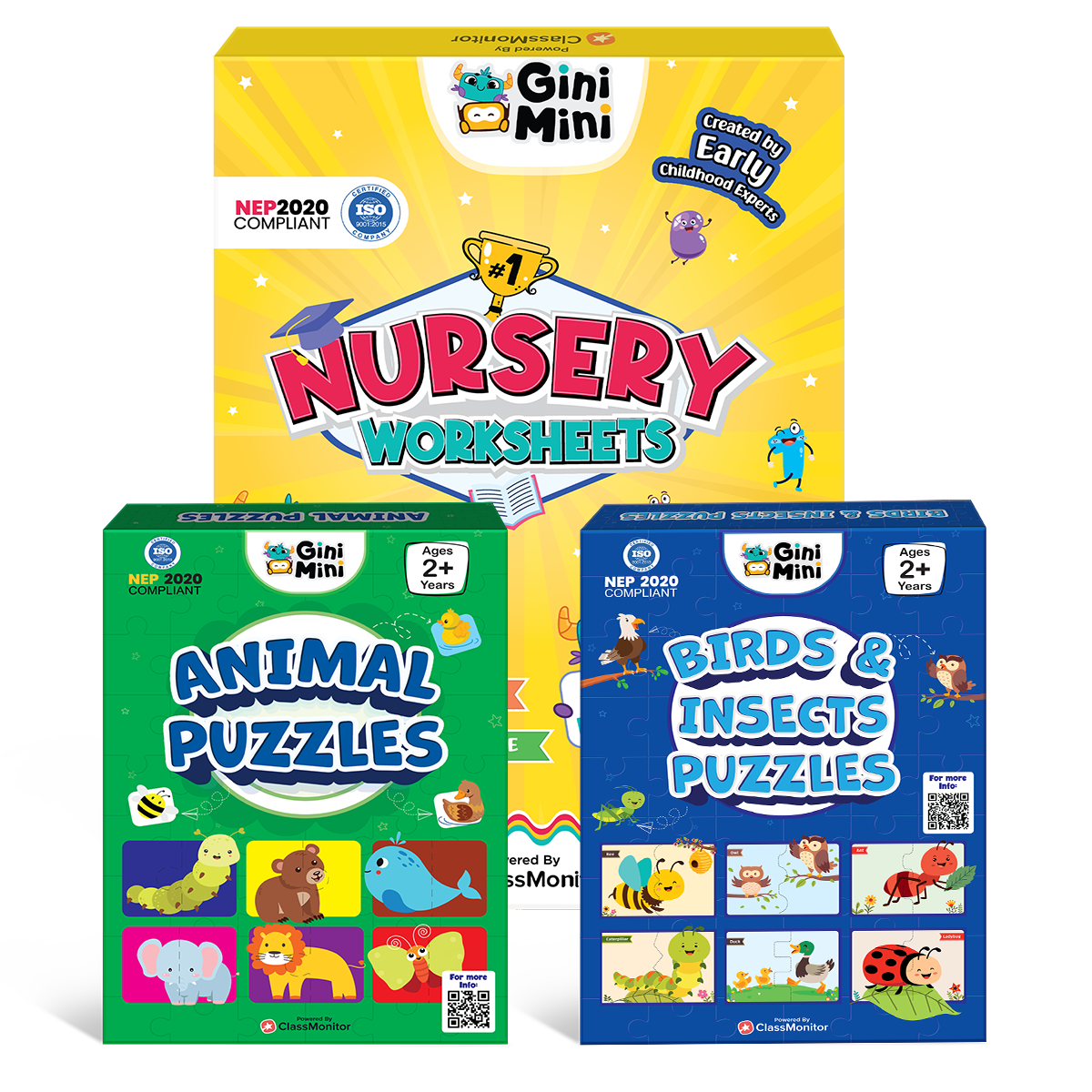
Puzzles give children a clear challenge without requiring adults to direct every move. Start with an age-appropriate puzzle and allow your child to examine the pieces, try different combinations, and discover patterns. If they struggle, offer a small hint rather than completing the puzzle for them.
Puzzles can encourage visual observation, spatial reasoning, patience, and problem-solving. GiniMini's Jungle Jumble 3-in-1 Jigsaw Puzzle is one example of a play-based resource parents can explore when looking for engaging puzzle activities.
2. Encourage Building and Construction Play
Provide building blocks, safe construction materials, or age-appropriate geometric pieces and invite your child to build a bridge, tower, house, or imaginary structure. Let them decide what to create and how to solve problems when the structure does not work.
Building activities can encourage planning, creativity, spatial awareness, and experimentation. Instead of telling your child exactly where every piece should go, ask what they think would make the structure stronger.
3. Offer Open-Ended Art and Craft Activities
Set out paper, crayons, washable colours, child-safe craft materials, and other suitable supplies. Rather than providing a finished example that your child must copy, invite them to create something of their own.
Creative activities give children opportunities to make choices, test ideas, and accept that different outcomes can all be successful. GiniMini's creative learning activities offer options parents can explore for hands-on play.
4. Turn Everyday Tasks into Learning Opportunities
Independence does not always require special toys or structured activities. Ask your child to help sort laundry by colour, organise books, match socks, water plants with supervision, or arrange safe kitchen items by size.
These simple tasks help children practise classification, sequencing, decision-making, and responsibility. They also show children that learning takes place in everyday life, not only during designated study time.
5. Introduce Simple Science and Exploration Activities
Children can investigate everyday questions through safe, supervised experiments. They might observe how shadows change, compare which objects float in water, or watch how a plant grows over time.
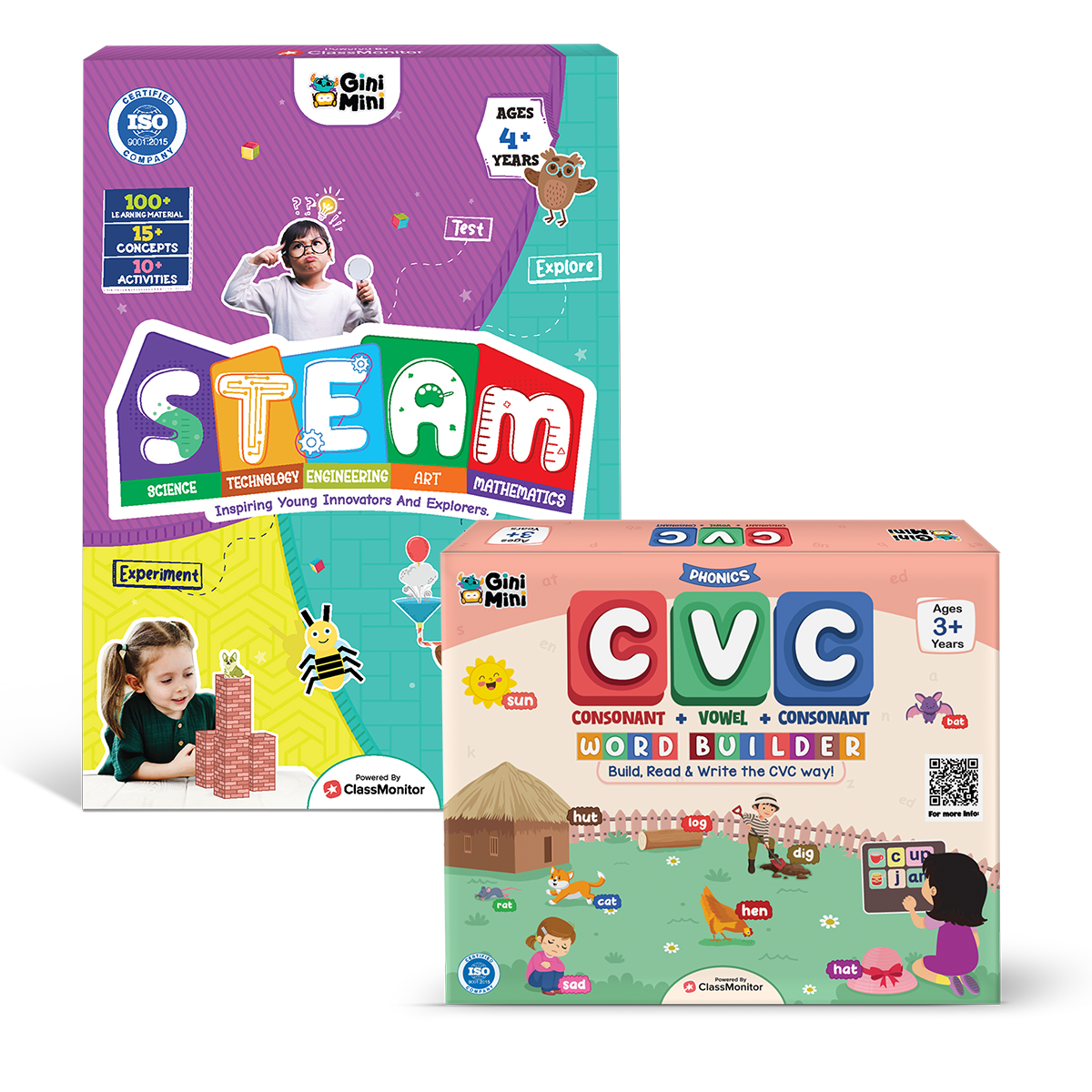
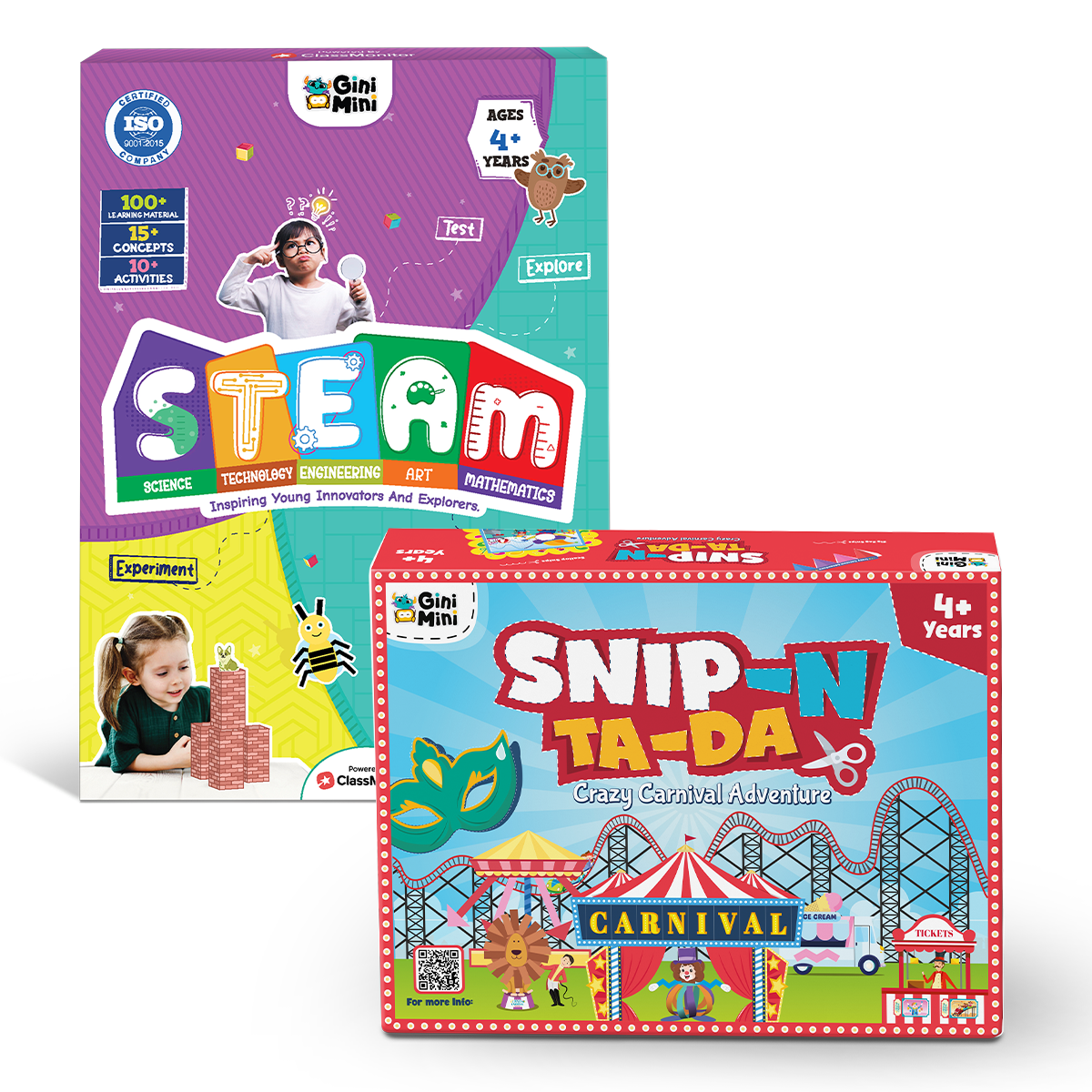
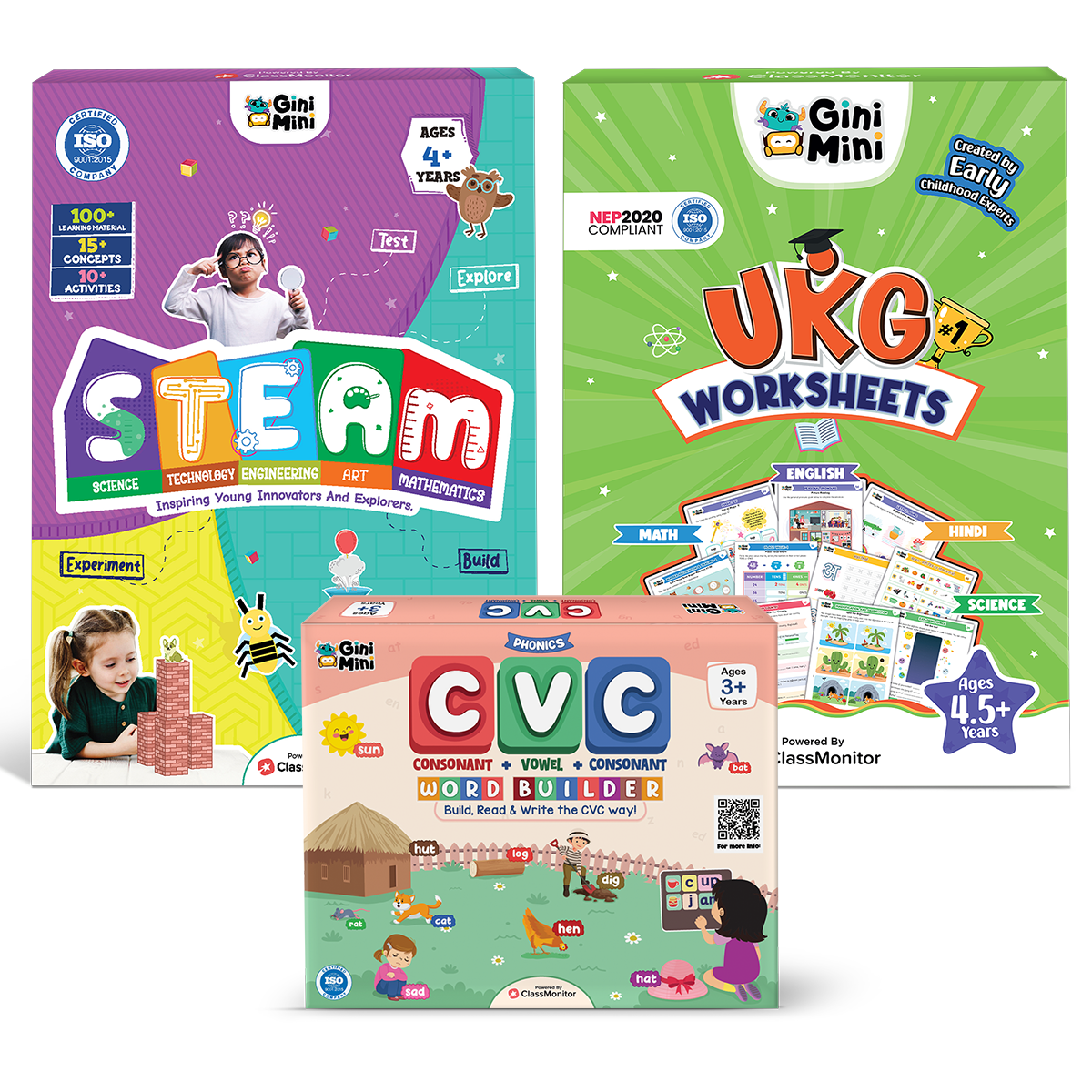
Encourage your child to predict what might happen, observe the result, and describe what they noticed. GiniMini's STEAM Kit offers hands-on science, technology, engineering, art, and maths activities for children aged four and above.
These activities are not about expecting children to discover every answer independently. They are about giving them opportunities to think, explore, and learn through experience.
How Does Independent Learning Benefit Child Development?
Independent learning can support several areas of child development together. When children work through challenges, they practise cognitive skills such as reasoning, memory, planning, and problem-solving. When they explain their ideas, they develop language and communication skills. When they manipulate materials, build structures, or complete crafts, they practise coordination and fine-motor control.
There is also an important emotional dimension. Children who receive appropriate opportunities to make decisions can develop a stronger sense of agency. They begin to understand that they can influence outcomes through their choices and efforts. Experiencing manageable challenges may also help them become more comfortable with uncertainty and more willing to try again after a setback.
For young children, these experiences are most meaningful when they happen through play. GiniMini focuses on play-based learning through engaging activities, puzzles, games, and educational resources that encourage curiosity and active participation. The aim is to make learning enjoyable while giving children opportunities to practise important skills at their own pace.
Expert Tips for Parents: How to Let Children Figure Things Out
Start by noticing when you tend to step in too quickly. If your child is struggling with a puzzle, a toy, or a simple task, pause briefly and observe before offering help. A little extra time can give them an opportunity to attempt a solution.
Ask open-ended questions such as “What do you notice?”, “What could you try next?” or “How might we solve this?” These questions encourage thinking without giving away the answer. Avoid turning every challenge into a test; sometimes children need time to experiment without being questioned.
Offer choices that match your child's age and abilities. A toddler can choose between two toys, while an older child can decide how to organise materials for a project. Keep expectations realistic and remember that children develop independence at different rates.
Most importantly, distinguish between allowing a child to struggle productively and leaving them distressed. If your child becomes overwhelmed, offer reassurance, break the task into smaller steps, or demonstrate one part before inviting them to continue. Always supervise activities involving water, tools, small objects, or other potential hazards.
How GiniMini Encourages Learning Through Play

At GiniMini, play is an opportunity for children to explore, experiment, and develop skills through meaningful experiences. From puzzles and creative activities to hands-on learning kits, play-based resources can give children opportunities to make choices, test ideas, and discover solutions.
Parents do not need to teach every step or turn every activity into a lesson. Sometimes, the most valuable support is providing an engaging activity, creating a safe environment, and allowing children the time to explore. Discover more at GiniMini and explore learning resources that can complement your child's developmental journey.
Frequently Asked Questions
What happens when you let children solve problems themselves?
Children get opportunities to practise reasoning, decision-making, persistence, and problem-solving. With age-appropriate challenges and supportive guidance, they can also develop confidence in their ability to try different approaches.
How can I encourage independent learning in my child?
Provide safe, age-appropriate activities, allow time for exploration, offer choices, and ask open-ended questions. Avoid giving the answer immediately, but step in when your child needs support or becomes overwhelmed.
Is it good to let children make mistakes?
Yes. When mistakes happen in a safe and supportive environment, children can learn to adjust their approach and try again. Parents should help children understand mistakes without shaming them or expecting them to manage every difficulty alone.
What activities develop problem-solving skills in children?
Puzzles, building blocks, sorting games, creative crafts, pretend play, and simple supervised science experiments can all provide opportunities to practise problem-solving. Choose activities that match your child's age, interests, and current abilities.
At what age should children start learning independently?
Children can begin practising simple forms of independence during toddlerhood, such as choosing between two toys or attempting age-appropriate tasks. The complexity of the activity should increase gradually as their abilities develop, with adult supervision and support throughout early childhood.
Does independent learning mean parents should not help?
No. Independent learning means allowing children to attempt tasks and make decisions while knowing that support is available. Parents should provide guidance, ensure safety, and offer help when a challenge exceeds the child's current abilities.
Recommended Blogs for Parents
For more ideas on encouraging curiosity and meaningful learning at home, explore GiniMini's How to Motivate a Child Who Hates Learning: Pediatric & Educational Guidance (Ages 2–8). You can also read Stop Asking “What Did You Learn?” Try These Questions Instead for practical ways to encourage children to explain their ideas, reflect on experiences, and develop curiosity through everyday conversations.
When you let children figure things out themselves, you give them more than an opportunity to complete a puzzle or finish a task. You give them a chance to practise thinking, making decisions, handling mistakes, and discovering what they can do.
The goal is not to step back completely or expect children to solve every problem alone. It is to find a healthy balance between independence and support. Offer safe challenges, allow time for experimentation, and celebrate the effort your child puts into finding a solution.
Sometimes, the best thing a parent can do is resist the urge to provide an immediate answer. Give your child a little space, stay nearby, and let curiosity lead the way. That is where meaningful learning can begin.