
Why do children ask for the same story, song, puzzle, or game again and again? Repetition in learning for kids is not simply a habit—it can help children become familiar with ideas, strengthen recall, build confidence, and notice details they missed the first time. Discover how repetition helps children learn and how parents can use playful repetition without making learning feel repetitive.
“Again!”
If you have a young child, you have probably heard this word dozens of times in a single day. Read the same bedtime story again. Sing the same song again. Build the same tower again. Do the same puzzle again—even when you are quite sure your child already knows how it works.
For adults, repetition can sometimes look like boredom. For children, it can be a way of exploring an idea more deeply.
The first time a child encounters something, they may simply be figuring out what it is. The next time, they may notice how it works. After several repetitions, they may begin predicting what comes next, remembering details, changing their approach, or attempting the activity independently.
This is why learning through repetition can be such a natural part of early childhood learning. Research on young children has found benefits from repeated practice and retrieval, while UNICEF also highlights joyful repetition as part of play-based learning for young children.
Why Is Repetition Important for Kids?
Children do not learn everything after a single exposure. Repeated experiences give them opportunities to encounter the same concept in slightly different ways.
A child hearing the word “triangle” once may remember the sound. Seeing triangles repeatedly in books, puzzles, blocks, and everyday objects gives the child more opportunities to connect the word with the shape.
Repetition can also make an activity feel more predictable. Once children understand the basic structure of a game or routine, they can spend less effort figuring out what to do and more time thinking about what they can do differently.
Research with preschoolers has found that repeated initial learning cycles can support later retrieval, while studies with older young children have also found advantages for retrieval practice over simply restudying information.
The important distinction is that repetition does not have to mean doing exactly the same thing mechanically.
For children, the most meaningful repetition often looks like: same idea, new attempt.

How Does Repetition Help Children Learn?
1. Repetition Builds Familiarity
The first time a child tries a puzzle, they may spend most of their attention understanding the pieces. The second time, they may recognize familiar shapes. Later, they may begin solving it faster or notice a connection they missed before.
This familiarity can make learning feel less intimidating. Children know what to expect, which gives them more mental space to experiment.
Benefit: Repeated exposure can help children become more comfortable with new concepts, materials, routines, and challenges.

2. Repetition Strengthens Memory
Memory becomes more useful when children can retrieve something they have encountered before.
Instead of simply showing a child the same flashcard repeatedly, try asking, “Do you remember what this one was?” or hide an object and ask them to recall it later.

Research involving preschool children has found that successful retrieval practice can contribute to longer-term retention, particularly when children have had enough initial opportunities to learn the material.
Benefit: Playful recall can help children practise remembering information rather than simply recognizing it.
3. Repetition Builds Confidence
There is a special moment when a child says, “I can do it myself!”

Repeated practice can create opportunities for that moment. A child who struggled to stack five blocks yesterday may discover today that they can do it without help.
The activity has not necessarily changed. The child has changed through repeated experience.
Benefit: Successfully returning to familiar challenges can encourage persistence, independence, and confidence.
4. Repetition Helps Children Notice More
Think about reading the same picture book for the tenth time.
The first reading might be about following the story. The next might involve noticing a character hiding in the background. Later, your child may predict a sentence, point out a funny detail, or ask why something happened.

Repetition allows children to move beyond simply understanding what happened and begin exploring what else is there.
UNICEF describes play as a way for young children to explore, experiment, understand cause and effect, and learn about the world around them.
Benefit: Repeated experiences can encourage observation, prediction, language, and deeper engagement.
5. Repetition Creates Opportunities to Try Again
A tower falls.
The child rebuilds it.
It falls again.
The child changes the base.

This is repetition with a difference. The child is using information from the previous attempt to influence the next one.
That makes repetition particularly valuable in problem-solving activities for kids. GiniMini's approach to hands-on play similarly emphasizes opportunities to explore, make choices, test ideas, and learn from mistakes.
Benefit: Repeated attempts can support persistence, flexible thinking, experimentation, and problem-solving.
What Are the Best Ways to Use Repetition in Learning?

Read the Same Book Again
There is no need to rush children toward a new story every night. Let them revisit favourites. Ask different questions each time: “What do you think will happen?” “Where is the dog?” or “What would you do?”
The story stays familiar while the conversation changes.
Repeat a Game With a Small Twist
Play the same matching or sorting game, but change one element. Use different objects, change the order, add a timer only if your child enjoys it, or let your child create the rules.
This keeps the comfort of familiarity while introducing a new challenge.
Repeat Songs, Rhymes, and Movement Games
Songs naturally invite repetition. Children can sing the same rhyme while adding actions, changing the speed, clapping instead of tapping, or letting the child lead.
UNICEF's guidance for early learning specifically highlights songs, rhymes, gestures, matching, sorting, patterns, and role-play as playful ways to support children's development.
Revisit Favourite Puzzles and Activities
If your child wants to do the same puzzle again, let them.
Instead of thinking, “They already know this,” ask yourself what they might be practising now. They may be working on speed, accuracy, memory, fine-motor control, or simply enjoying the satisfaction of mastery.
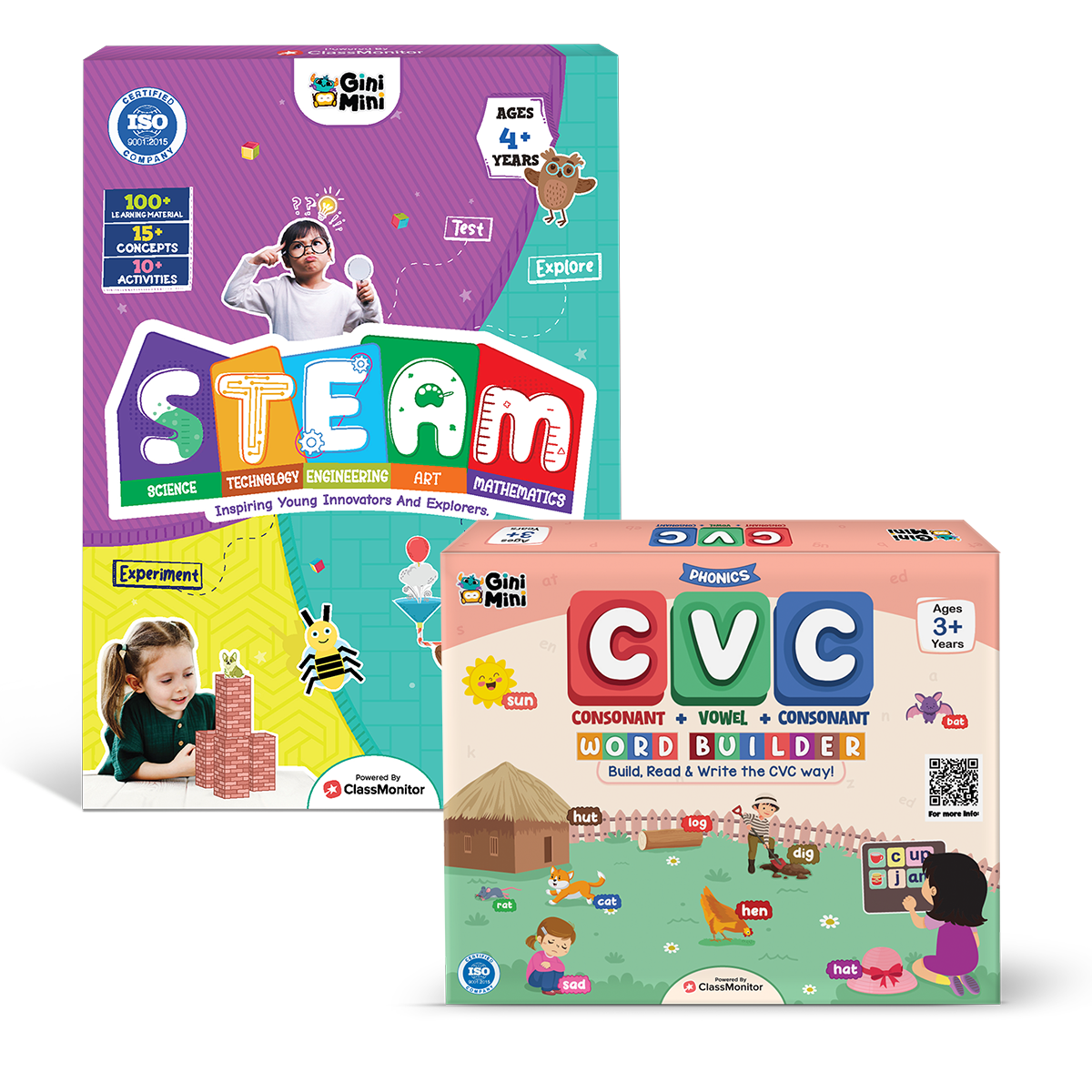
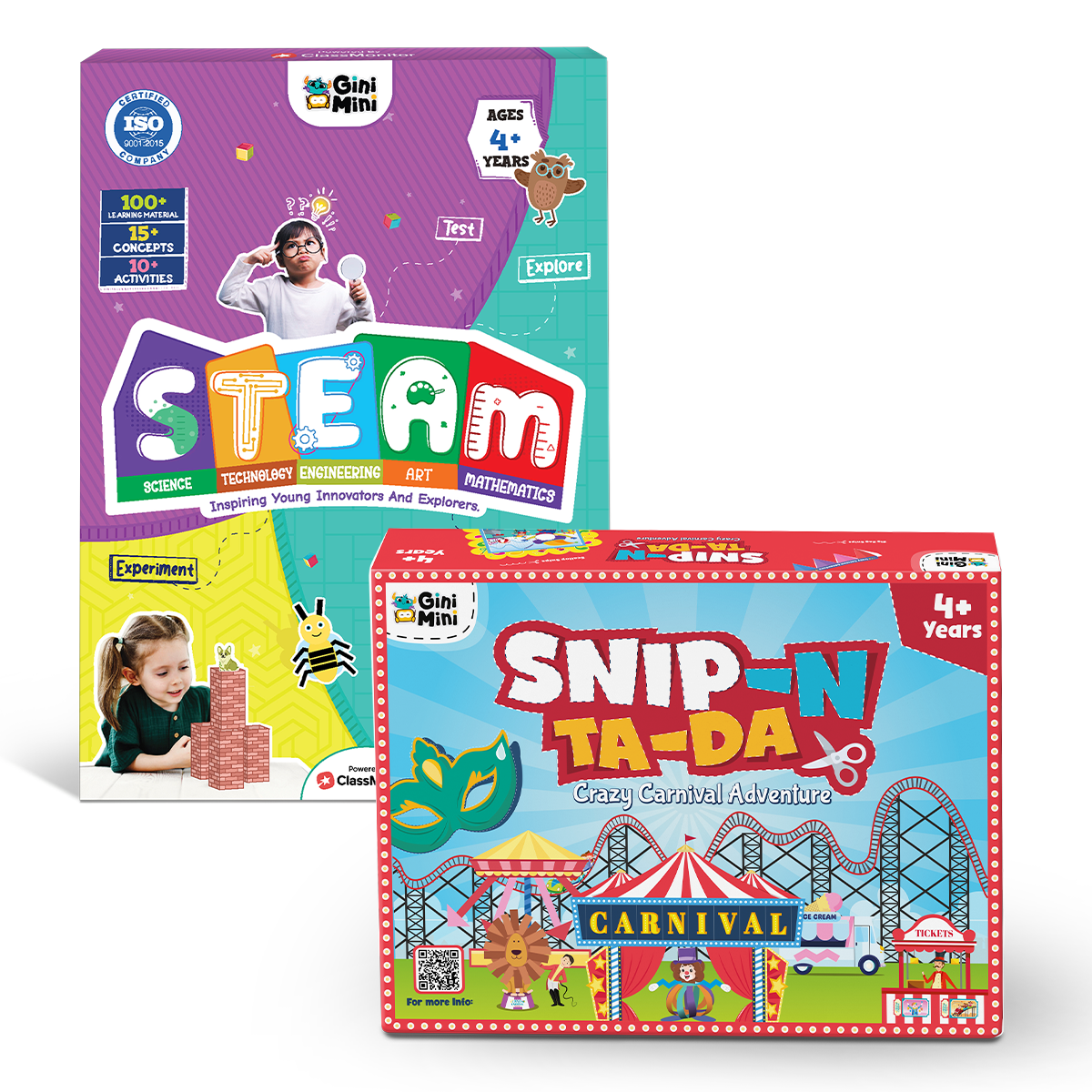
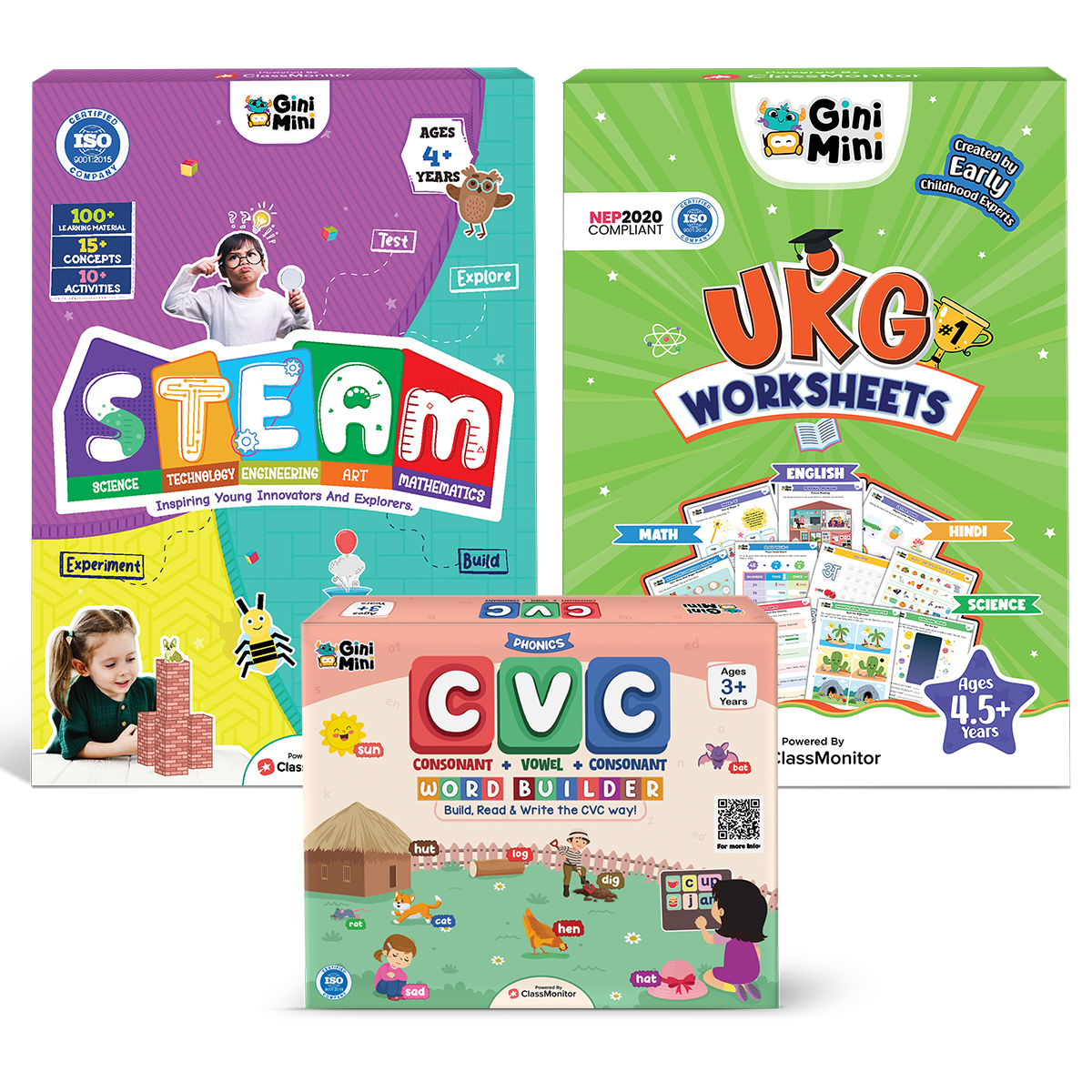
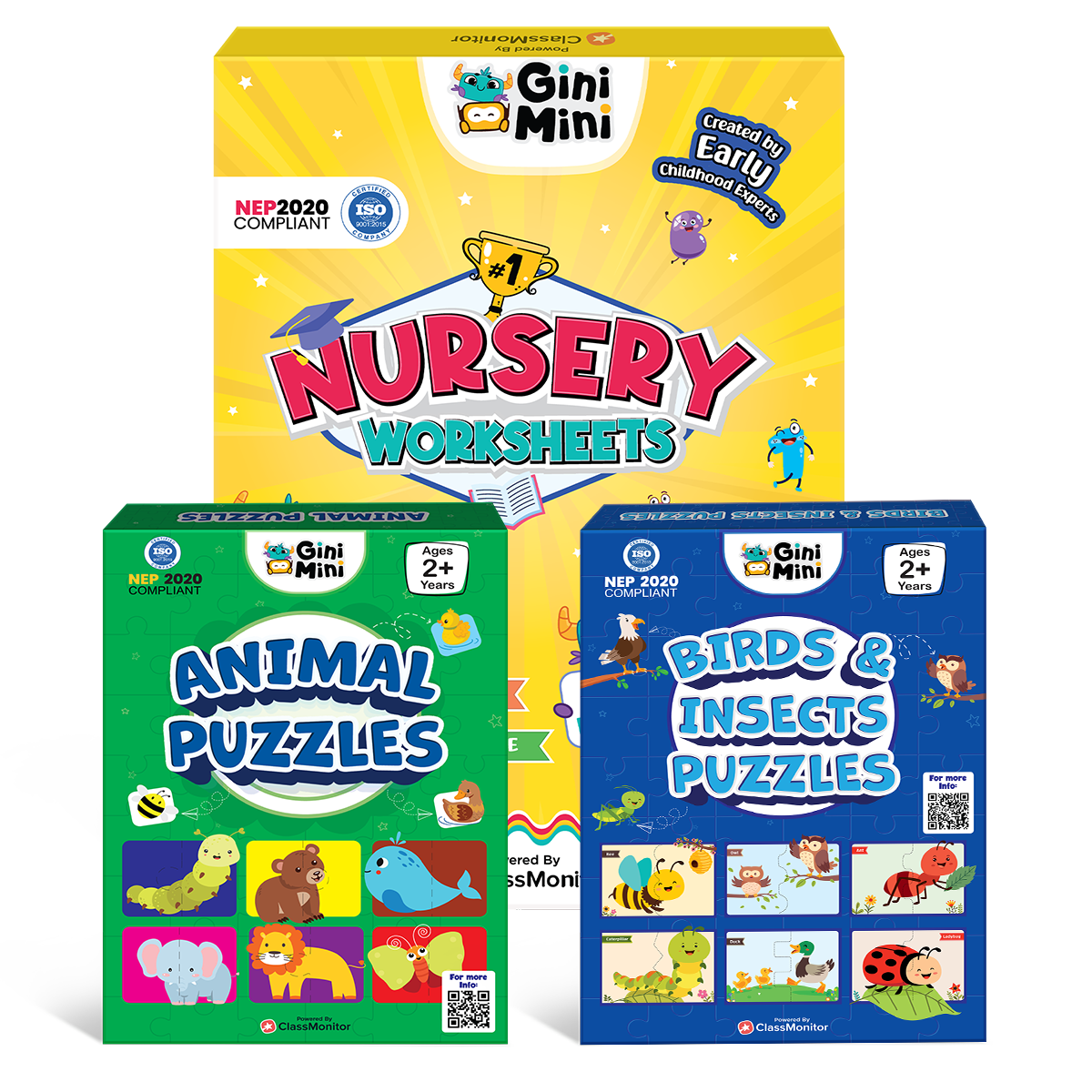
GiniMini offers puzzles, card games, pre-writing activities, creative resources, and hands-on learning products designed around different ages and developmental needs.
How Does Repetition Benefit Children?
When used naturally, repetition can support several areas of child development and learning at once.
Repeated stories can strengthen language exposure. Repeated games can encourage memory and decision-making. Repeated puzzles can support problem-solving and fine-motor practice. Repeated building activities can give children opportunities to test ideas and modify their designs.
But repetition works best when children remain active participants.
The goal is not to make a child repeat something until they can produce the “correct” answer. The goal is to give them enough opportunities to experience, remember, practise, change, and understand.
That distinction fits naturally with GiniMini's play-based approach, which focuses on engaging, hands-on experiences that encourage curiosity and participation rather than simply keeping children occupied.
Expert Tips for Parents
Let children repeat what they love. If your child asks for the same story or game again, repetition may be serving a purpose.
Change the experience, not necessarily the activity. A familiar game can become new when you introduce different objects, questions, roles, or challenges.
Give children time to retrieve. Instead of immediately supplying an answer, ask, “Do you remember?” or “What happened next?”
Watch for mastery. When a child becomes completely comfortable with an activity, add a small variation rather than replacing it immediately.
Do not force repetition. Repetition is most useful when children remain interested and involved. If an activity has clearly stopped being enjoyable, give it a break.
Follow the “one more time” moments. Sometimes your child's request for repetition is telling you exactly what they are ready to explore next.
GiniMini's Take: Repetition Doesn't Have to Feel Like Practice
At GiniMini, learning is designed around play, curiosity, hands-on exploration, and meaningful experiences. The aim is not to turn every repeated activity into a lesson, but to give children opportunities to return to ideas, experiment with them, and discover something new.
A puzzle can become a problem-solving challenge. A card game can become a memory activity. A creative activity can become a chance to try a different idea.
And sometimes, the most valuable learning moment really does begin with two simple words:
“One more time?”
Recommended GiniMini Reads
For more ideas on playful learning, explore How Play Teaches Children to Solve Problems Independently, which looks at how puzzles, games, building activities, and everyday challenges encourage children to experiment and think independently.
You can also read Can a Simple Game Really Make Kids Better Thinkers? for ideas on how games can support critical thinking, decision-making, and problem-solving through play.
For parents looking for practical screen-free ideas, How to Keep Kids Busy at Home With Fun Screen-Free Activities includes puzzles, building challenges, pretend play, science activities, and other hands-on experiences.
FAQs
1. Why does repetition help children learn?
Repetition gives children multiple opportunities to encounter, practise, remember, and apply an idea. When the experience remains engaging, children can gradually move from familiarity toward greater independence and understanding.
2. Is repetition good for early childhood learning?
Yes. Repetition is a natural part of young children's learning, particularly when it happens through play, stories, songs, games, movement, and hands-on activities. UNICEF specifically highlights joyful repetition as part of play-based learning for young children.
3. How can parents make repetition fun?
Keep the basic activity familiar but introduce small changes. Try different questions, materials, roles, movements, or challenges so children can revisit the same concept in a new way.
4. Should I let my child do the same activity every day?
If your child remains interested, there is generally no need to stop simply because they have done it before. Repeated play can provide new opportunities for practice, discovery, and mastery.
5. What is the difference between repetition and rote learning?
Repetition involves returning to an experience, while rote learning focuses heavily on memorizing information through repeated recall without necessarily exploring meaning. Playful repetition can involve questioning, experimenting, movement, creativity, and problem-solving.
6. Can repetition improve problem-solving skills?
Repeated attempts can give children opportunities to test an idea, observe what happens, change their approach, and try again. This makes repetition particularly useful in puzzles, building activities, games, and other hands-on challenges.
Children asking for “one more time” are not necessarily asking for more of the exact same experience. They may be asking for another opportunity to understand it, remember it, master it, change it, or simply enjoy it.
Repetition helps children learn when it gives them room to participate, retrieve, experiment, and discover.
So the next time your child asks for the same story for the fifth night in a row, you may not need to reach for a new one.
Just turn the page and say, “Again?”