



How to Reduce Screen Time for Kids
Learn how to reduce screen time for kids with practical tips, screen-free activities, and educational play ideas that support creativity, learning, and healthy child development.
How can parents reduce screen time for kids?
Reducing screen time for kids becomes easier when parents replace digital entertainment with engaging offline activities like creative play, puzzles, reading, art, and educational games. Setting clear screen limits, creating screen-free routines, and offering meaningful alternatives can help children develop better focus, imagination, and independent play habits.
Introduction

Screens are now a common part of children’s daily lives, from online learning to entertainment. However, excessive screen use can reduce opportunities for active play, creativity, and family interaction. Parents can build healthier habits by introducing balanced routines and offering enjoyable alternatives that make children naturally interested in offline activities.
At a Glance: Reducing Screen Time for Kids
|
Category |
Details |
|
Best Age Group |
2–10 years |
|
Main Goal |
Build healthy screen habits and encourage meaningful play |
|
Recommended Screen-Free Activities |
Puzzles, art & craft, storytelling, pretend play, educational games |
|
Benefits |
Improves creativity, focus, problem-solving, communication, and motor skills |
|
Budget-Friendly Options |
DIY activities, books, drawing activities, simple educational toys |
|
Recommended Learning Toys |
Activity kits, puzzles, creative play kits, hands-on learning games |
Why Is It Important to Reduce Screen Time for Kids?
Screen time is not always harmful, but maintaining a healthy balance is important for a child’s overall development. Children learn best through active experiences such as playing, exploring, creating, and interacting with people around them.
Excessive screen usage can reduce the time children spend on physical activities, imaginative play, and family conversations. According to child development experts, young children benefit from hands-on experiences that support cognitive, emotional, and social growth.
Reducing screen time helps children:
-
Develop creativity through open-ended play
-
Improve attention and problem-solving skills
-
Build stronger communication abilities
-
Stay physically active
-
Develop independence through self-directed activities
-
Create healthier daily routines
The goal is not to completely remove technology but to help children enjoy a balanced lifestyle where screens are only one part of their day.

Expert Parent Tip:
Instead of saying “No more screens,” try introducing a fun alternative first. When children have exciting activities available, they are more likely to naturally spend less time with digital devices.
|
Age Group |
Screen Time Approach |
|
2–5 years |
Keep recreational screen time limited and focus more on active play, reading, and hands-on activities |
|
5–8 years |
Create clear screen rules while encouraging hobbies, creativity, and outdoor play |
|
8–10 years |
Teach responsible device usage with balanced routines and digital awareness |
How Can Parents Reduce Screen Time Without Arguments?
Reducing screen time does not have to become a daily battle between parents and children. The key is to create a routine where children naturally enjoy other activities instead of depending only on digital entertainment.
Instead of suddenly removing screens, parents can slowly introduce healthier habits through engaging play, family interaction, and creative activities.
1. Create Clear Screen Time Rules
Children feel more comfortable when they understand expectations. Create simple rules about when and where screens can be used.
For example:
-
Set specific screen time hours
-
Avoid screens during meals
-
Keep devices away during family activities
-
Create a screen-free bedtime routine
-
Encourage children to complete responsibilities before device time
Consistency is more important than strict rules. When children follow the same routine daily, they learn to manage their screen habits better.
2. Replace Screen Time With Fun Alternatives
Simply saying “no screens” may not work if children do not have interesting alternatives. Replace digital entertainment with activities that encourage creativity and learning.

Some screen-free alternatives include:
-
Building blocks and construction play
-
DIY craft projects
-
Board games
Hands-on activities allow children to explore, experiment, and learn while having fun.
3. Introduce a Daily Screen-Free Routine
A predictable routine helps children understand that entertainment does not always involve digital devices.
A simple daily routine can include:
|
Time |
Screen-Free Activity |
|
Morning |
Reading, puzzles, or creative activities |
|
Afternoon |
Outdoor play or hobby time |
|
Evening |
Family games, storytelling, or craft activities |
|
Before Bed |
Books and calming activities |

Creating small screen-free moments every day can gradually develop healthier habits.
Expert Parent Tip:
Children usually follow what they experience around them. Parents can encourage healthier habits by also reducing unnecessary phone usage during family time and showing interest in offline activities.
What Are the Best Screen-Free Activities for Kids?
Screen-free activities help children stay engaged while improving creativity, focus, problem-solving skills, and imagination. The best activities are those that encourage children to explore, create, and learn through hands-on experiences.
Parents can choose activities based on their child’s age, interests, and learning needs. From art and crafts to puzzles and educational games, there are many ways to make playtime meaningful without relying on screens.
1. Creative Art and Craft Activities
Art activities allow children to express their imagination while improving fine motor skills and concentration. Drawing, colouring, painting, and craft projects can keep children engaged for long periods.

Benefits of creative activities:
-
Improves hand-eye coordination
-
Encourages self-expression
-
Builds patience and focus
-
Develops creativity
Creative kits and activity-based toys can make art time more exciting by providing children with structured projects to complete.
2. Puzzles and Brain Games
Puzzles are excellent alternatives to screen-based entertainment because they challenge children to think, analyse, and solve problems independently.

Benefits of puzzles include:
-
Improves logical thinking
-
Develops memory skills
-
Enhances concentration
-
Encourages problem-solving
Age-appropriate puzzles can keep children engaged while supporting early learning skills.
3. Building and Construction Play
Building activities encourage children to design, experiment, and create something using their imagination. Whether children build structures, patterns, or creative designs, these activities support spatial awareness and problem-solving.

Building play helps children develop:
-
Creativity
-
Planning skills
-
Confidence
-
Independent thinking
4. Educational Activity Kits
Learning becomes more enjoyable when children can explore concepts through play. Educational activity kits combine fun with skill development and encourage children to learn at their own pace.
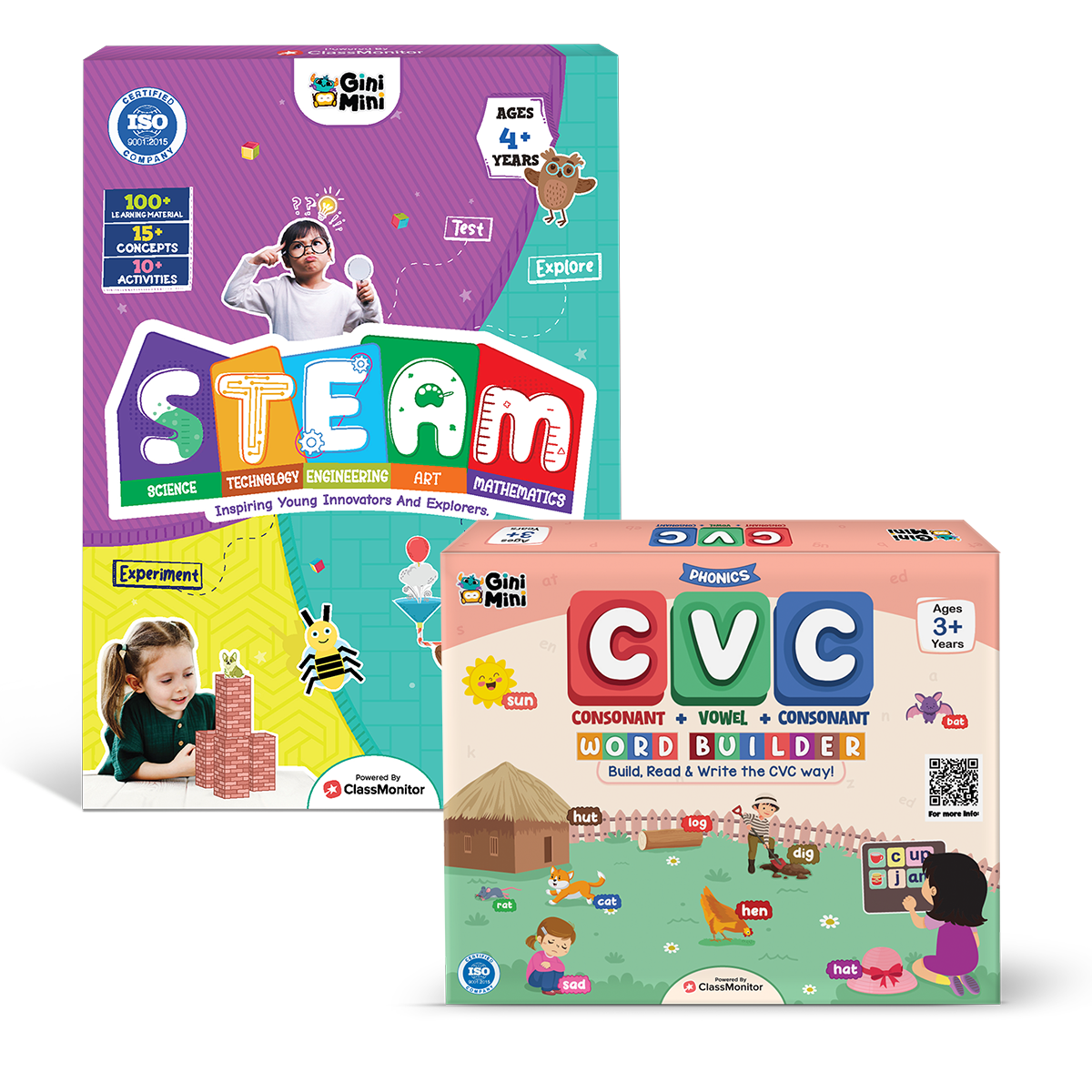
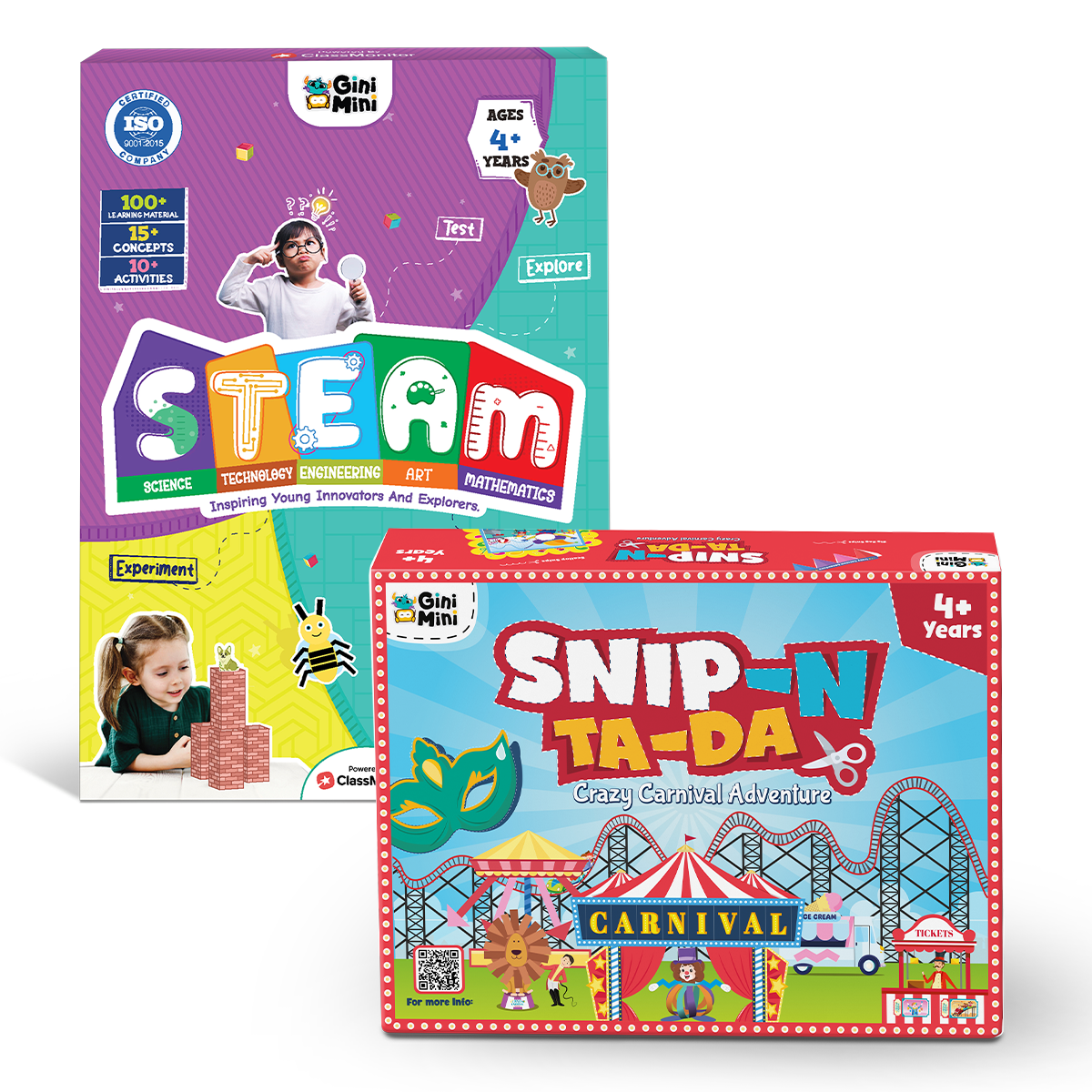
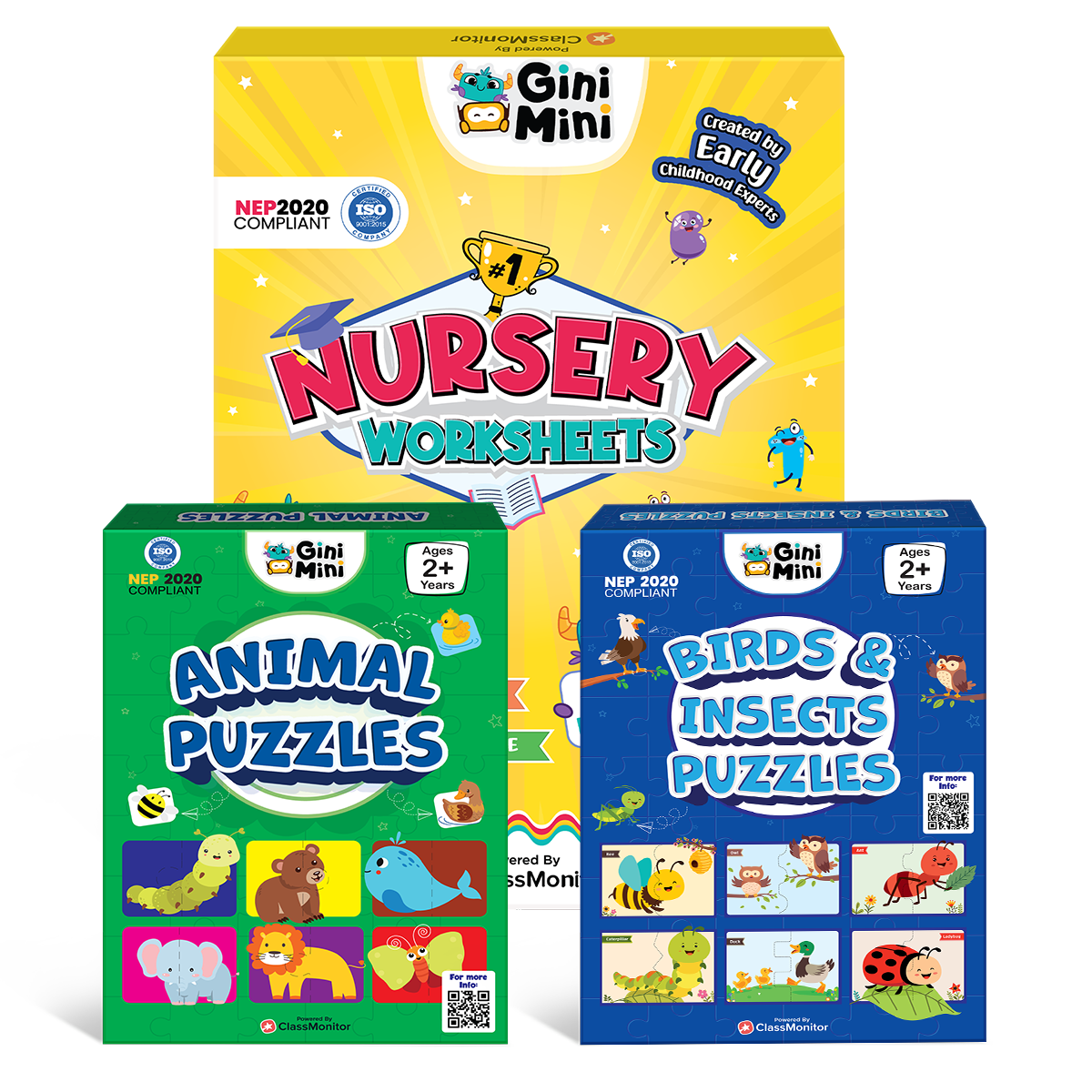
GiniMini’s learning-focused toys and activity kits are designed to support screen-free play by combining creativity, exploration, and early learning skills in an engaging way.
5. Storytelling and Reading Activities
Books and storytelling are simple yet powerful ways to reduce screen dependency. Reading helps children improve vocabulary, imagination, listening skills, and communication abilities.

Parents can make reading more interactive by:
-
Asking questions about the story
-
Encouraging children to create their own endings
-
Acting out characters together
-
Discussing new words and ideas
Screen-Free Activity Ideas by Age
|
Age Group |
Activity Ideas |
Skills Developed |
|
2–4 Years |
Colouring, sensory play, simple puzzles, storytelling |
Motor skills, creativity, language development |
|
4–6 Years |
Crafts, building games, matching activities, pretend play |
Problem-solving, imagination, focus |
|
6–8 Years |
Strategy games, advanced puzzles, creative projects |
Logical thinking, independence |
|
8–10 Years |
DIY projects, educational games, skill-based activities |
Critical thinking, confidence |
“GiniMini’s learning-focused toys and activity kits are designed to support screen-free play by combining creativity, exploration, and early learning skills in an engaging way.”
Which Screen-Free Activities Are Better Than Digital Entertainment?
|
Activity Type |
Best Age Group |
Learning Benefits |
Engagement Level |
Budget |
|
Drawing & Colouring |
2–8 years |
Creativity, fine motor skills, self-expression |
High |
Low |
|
Puzzles |
3–10 years |
Problem-solving, memory, logical thinking |
High |
Low–Medium |
|
Building Activities |
3–10 years |
Imagination, planning, spatial skills |
High |
Medium |
|
Storytelling & Books |
2–10 years |
Language development, imagination, communication |
Medium–High |
Low |
|
Educational Activity Kits |
3–10 years |
Concept learning, creativity, independent play |
High |
Medium |
|
Board Games |
5–10 years |
Strategy, teamwork, patience |
High |
Medium |
Why Are Hands-On Activities Better for Child Development?
Hands-on play allows children to actively engage with the world around them. Unlike passive entertainment, activities like creating, building, and solving problems encourage children to think, experiment, and make decisions.
Benefits of hands-on activities include:
-
Better focus: Children practice concentration while completing tasks.
-
Improved creativity: Open-ended activities encourage imagination.
-
Stronger problem-solving skills: Games and puzzles help children find solutions independently.
-
Better social skills: Group activities teach communication and teamwork.
-
Increased confidence: Completing activities gives children a sense of achievement.
Expert Parent Tip:
Do not focus only on reducing screen hours. Focus on increasing meaningful play hours. When children have exciting activities to explore, they naturally become less dependent on screens.
Frequently Asked Questions About Reducing Screen Time for Kids
1. How can I reduce screen time for my child without arguments?
Reducing screen time becomes easier when parents introduce fun alternatives instead of suddenly removing devices. Create simple screen rules, maintain a consistent routine, and offer engaging activities like puzzles, crafts, reading, and educational games.
2. What is the best screen-free activity for kids?
The best screen-free activity depends on a child’s age and interests. Creative activities, puzzles, storytelling, building games, and educational kits are effective options because they encourage learning while keeping children engaged.
3. How much screen time is healthy for kids?
Healthy screen time depends on a child’s age and family routine. Parents should focus on maintaining a balance between digital activities, physical play, reading, creative activities, and family interaction.
4. What can kids do instead of watching screens?
Children can enjoy many alternatives to screens, including:
-
Drawing and colouring
-
Reading books
-
Building activities
-
Puzzle games
-
Craft projects
-
Educational toys
-
Outdoor play
-
Storytelling
These activities support creativity, focus, and overall development.
5. Why are screen-free activities important for child development?
Screen-free activities encourage children to actively participate, create, solve problems, and communicate. Hands-on play supports important skills like creativity, concentration, motor development, and independent thinking.
6. How do I encourage my child to play without screens?
Parents can encourage screen-free play by creating interesting activity spaces, joining children during playtime, offering age-appropriate toys, and introducing new activities regularly.
7. Are educational toys better than screen-based learning?
Educational toys and hands-on activities provide children with opportunities to explore, experiment, and learn actively. They can complement digital learning by supporting creativity, problem-solving, and practical understanding.
8. How can parents create a screen-free routine?
Parents can create a screen-free routine by setting fixed device timings, keeping meal and bedtime areas screen-free, and adding daily activities like reading, puzzles, creative play, or family games.
Conclusion
Reducing screen time for kids is not about completely removing technology but about creating a healthier balance between digital activities and real-world experiences. When children get opportunities to explore, create, solve problems, and play independently, they naturally develop better habits beyond screens.
Simple activities like puzzles, storytelling, art, educational games, and hands-on learning toys can make screen-free time enjoyable while supporting creativity, focus, and overall development.
With the right activities and consistent routines, parents can help children build positive habits that encourage curiosity, imagination, and lifelong learning.
 Explore GiniMini’s range of learning-focused toys and activity kits to make everyday play more creative, engaging, and meaningful for your child.
Recommended Related Blogs
Screen-Free Ways to Survive Winter Break
Puzzles for Early Childhood Brain Development
Signs Your Toddler is Ready for Writing
Recommended Products
Tiny Prints & The Magical Journey – DIY Art & Craft Kit
DOT POP Colour & Counting Activity Kit
Draw Step by Step Creative Learning Activity Pack
Jungle Jumble – 3 in 1 Jigsaw Puzzle
Trace, Erase & Learn – Alphabet Edition