




Beautiful Krishna Names That Mean Love, Joy, Wisdom & Strength
Explore beautiful Krishna names with meaningful connections to love, joy, wisdom and strength. A simple guide for parents to share Krishna’s timeless qualities with children.
Lord Krishna is one of the most beloved figures in Indian culture, and his many names beautifully reflect the different qualities associated with him. Some names celebrate his loving and playful nature, while others highlight wisdom, courage, protection and inner strength. For parents, exploring these Krishna names can be more than a cultural tradition. It can become a gentle way to introduce children to meaningful values through stories, conversations and everyday moments.
Whether you are looking for meaningful Krishna names for a baby, teaching your child about Krishna, preparing for Janmashtami, or simply exploring Indian mythology with your family, these names offer wonderful opportunities to talk about kindness, courage, happiness and wisdom.
Why Does Krishna Have So Many Names?

Krishna has many names, with each one reflecting a different quality, story, or role. He is remembered as playful and loving in childhood stories, a wise guide in the Bhagavad Gita, and a courageous protector.
For children, these names can become simple lessons about kindness, courage, wisdom, self-control, and caring for others.
Krishna Names That Represent Love and Compassion
Krishna's stories are filled with relationships that represent affection, friendship and compassion. His bond with his parents, friends and devotees has made several Krishna names especially meaningful for families.

Gopala – The Protector and Caretaker
Gopala is one of the most familiar names of Krishna. It is associated with his childhood as a cowherd and is commonly understood as one who protects and cares for cows. For children, Gopala can represent kindness, responsibility and caring for living beings. Parents can connect this name with simple everyday actions such as being gentle with animals, helping a friend or taking care of a younger sibling.
Govinda – The One Who Brings Joy and Protection
Govinda is another cherished name of Krishna. The name has several traditional interpretations and is closely associated with Krishna as a protector and beloved figure. It is also connected with the senses and the natural world in different traditions. For young children, parents can simply introduce Govinda as a name that reminds us of Krishna's loving and joyful presence.
Nandlal – Beloved Son of Nanda
Nandlal literally refers to Krishna as the son of Nanda. This name beautifully highlights the loving bond between Krishna and his foster father, Nanda. It can help children understand that family is built through love, care and the relationships that make us feel safe and valued.
Yashodanandan – Son of Yashoda
Yashodanandan means the beloved son of Yashoda. Krishna's childhood relationship with Yashoda is one of the most affectionate parts of Krishna stories. From playful mischief to moments of tenderness, these stories show the warmth of a parent-child relationship. Sharing them with children can create meaningful conversations about love, trust and family.
Damodara – The Krishna Loved by Yashoda
Damodara is a particularly charming name associated with one of Krishna's childhood stories. It refers to the story in which Yashoda tied Krishna with a rope around his waist. For children, this name makes mythology feel wonderfully human and relatable because it connects Krishna with childhood playfulness, affection and the loving discipline of a parent.
Krishna Names That Represent Joy and Playfulness
Children often connect with Krishna through his playful childhood stories. His flute, friends, butter stories and adventures in Vrindavan make him a familiar and joyful character in Indian traditions.

Murlidhar – The Bearer of the Flute
Murlidhar means the one who holds or plays the flute. Krishna's flute is one of his most recognizable symbols and is often associated with beauty, music and joy. This name can be a lovely way to introduce children to the idea that creativity and music can bring happiness to ourselves and others.
Shyamsundar – Beautiful and Enchanting Krishna
Shyamsundar is a beautiful name that describes Krishna's enchanting appearance, traditionally associated with his dark or dusky complexion and extraordinary beauty. The name is often connected with Krishna's captivating personality. For children, it can become a simple reminder that true beauty is not only about appearance but also about kindness, confidence and the way we treat others.
Nandalala – Joy of Nanda
Nandalala is another affectionate name for Krishna connected with his childhood and his relationship with Nanda. The name carries a warm, loving feeling and reminds families of Krishna's cheerful childhood in Gokul and Vrindavan.
Krishna Names That Represent Wisdom
Krishna is not only remembered as a playful child. He is also celebrated as a wise guide whose teachings in the Bhagavad Gita continue to inspire generations. Several of his names reflect knowledge, guidance and mastery over the self.

Hrishikesha – Lord of the Senses
Hrishikesha is traditionally understood as the Lord or master of the senses. This can be explained to children in a simple way: our feelings and impulses can be strong, but we can learn to pause, think and choose our actions wisely. It is a powerful value for growing children because self-control develops gradually through everyday experiences.
Achyuta – The Infallible One
Achyuta is a revered name of Krishna meaning the one who does not fall away or remains unfailing. In a child-friendly conversation, parents can connect the name with dependability and staying true to what is right. It can also encourage children to understand that making mistakes is part of learning, while continuing to try and improve matters greatly.
Parthasarathi – Charioteer of Arjuna
Parthasarathi means the charioteer of Partha, another name for Arjuna. This name highlights Krishna's role as Arjuna's guide during the Mahabharata. Rather than focusing only on power, the story shows the importance of having the wisdom to guide someone through a difficult decision. Parents can use it to discuss listening, asking for advice and thinking carefully before making choices.
Janardana – Guide and Supporter of People
Janardana is another traditional name of Krishna with several interpretations connected with people, guidance and divine support. For children, the name can represent the idea of being someone others can trust for guidance and encouragement.
Krishna Names That Represent Strength and Courage
Krishna's stories also portray him as a powerful protector. His strength is not presented simply as physical power. It is often connected with courage, responsibility and the willingness to protect others.

Giridhar – The One Who Held the Mountain
Giridhar, or Giridhari, refers to Krishna as the one who lifted and held Govardhan Hill. The Govardhan story is often shared with children as a story of protection, courage and community. Krishna's action is remembered as a way of protecting the people of his community from danger.
Madhusudana – The Slayer of Madhu
Madhusudana is traditionally understood as the one who defeated the demon Madhu. For children, the story can be introduced as a symbolic lesson about facing harmful forces and overcoming challenges with courage. The name represents strength used for protection and the triumph of good over negativity.
Chakradhari – The Bearer of the Sudarshan Chakra
Chakradhari refers to Krishna as the bearer of the Sudarshan Chakra. The chakra is an important symbol associated with divine power and protection. Parents can use this name to explain that strength is most meaningful when it is used responsibly, especially to protect others and stand up for what is right.
Keshava – A Name Associated With Strength and Victory
Keshava is one of Krishna's widely known names and has multiple traditional interpretations, including associations with beautiful hair and the defeat of the demon Keshi. In stories for children, the name can be connected with courage, confidence and overcoming difficulties.
How Parents Can Teach Krishna Names to Children
Learning Krishna names does not have to feel like memorizing a long list. Children are more likely to remember names when they encounter them through stories, music, art and conversations. A parent can introduce one name at a time and connect it with a simple quality.
For example, while telling the Govardhan story, you can introduce Krishna as Giridhar and ask your child what it means to protect someone. During a music activity, Murlidhar can become a fun connection between Krishna and the flute. When discussing friendship, Govinda or Gopala can lead to a conversation about caring for others.
Older children can explore the deeper meanings behind names and compare how Krishna is portrayed differently in childhood stories, the Mahabharata and the Bhagavad Gita. Teenagers can also discuss ideas such as self-control, duty, courage, friendship and responsible leadership. This makes Krishna stories relevant across different ages rather than limiting them to early childhood.

Why Meaningful Names Can Help Children Connect With Culture
Names carry stories. When children understand the meaning behind a name, they begin to see culture as something living and meaningful rather than simply something to memorize for a festival. Krishna names can introduce children to Indian mythology while also encouraging conversations about values that remain relevant today.
Love, joy, wisdom and strength are qualities that every child gradually develops. A conversation about Krishna can therefore become a conversation about being kind to others, finding happiness in simple things, thinking before acting, standing up for friends and staying brave when life feels difficult.
Recommended GiniMini Products for Learning Through Play
Parents looking for ways to make cultural learning more interactive can explore GiniMini's range of screen-free learning products. GiniMini creates hands-on activities, games, puzzles and learning resources designed to encourage curiosity, creativity and active participation. The brand's products are developed with input from early education experts and are designed to support playful learning.
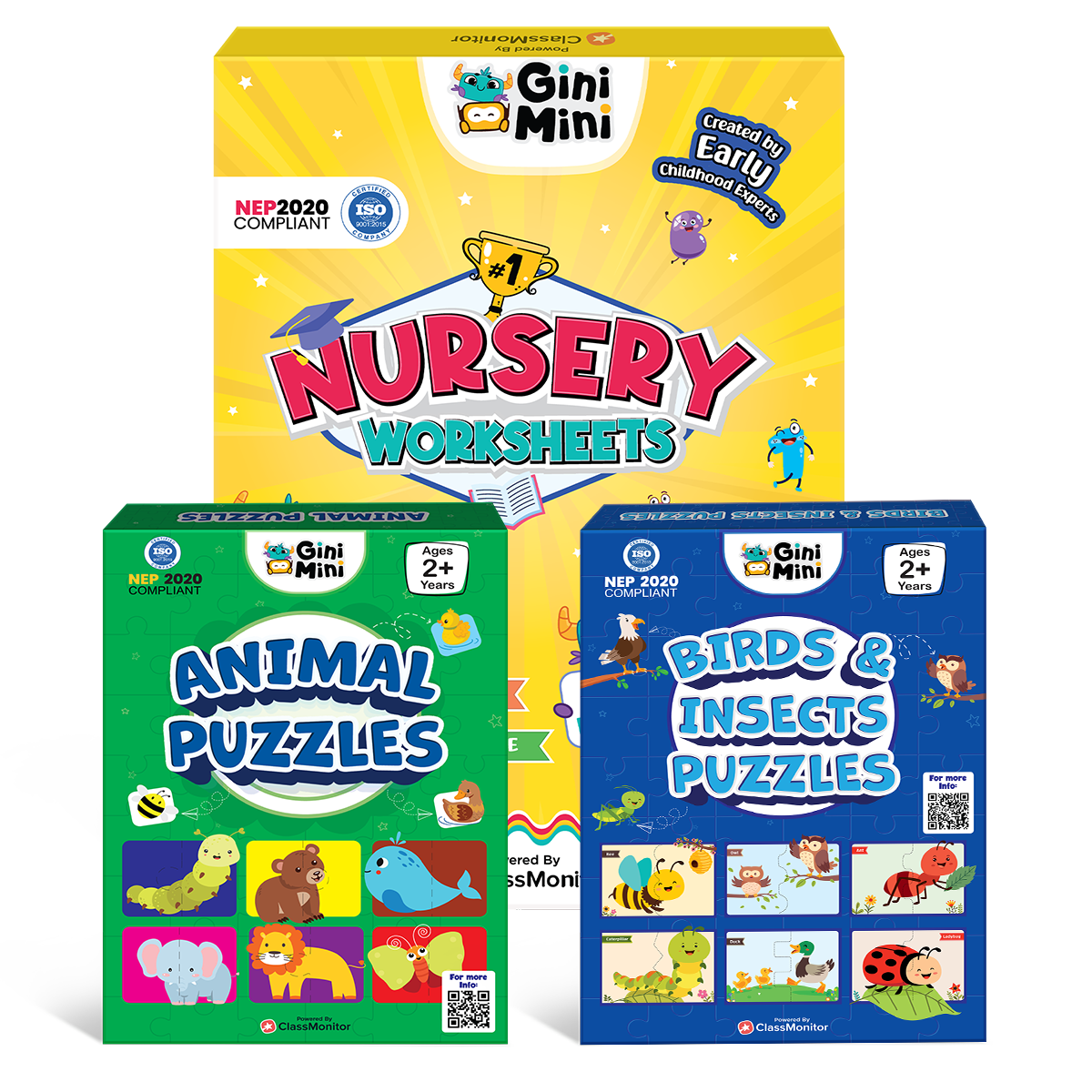
For younger children, Tiny Prints & The Magical Journey can encourage creativity through sensory painting and storytelling. For children who enjoy puzzles, Jungle Jumble 3-in-1 Jigsaw Puzzle combines puzzle-solving with image hunting and guessing. Children who are developing early writing skills can explore Trace, Erase & Learn, while older preschoolers can benefit from structured resources such as the GiniMini Nursery Worksheets. These are just a few options from GiniMini's wider collection of puzzles, flashcards, worksheets, pre-writing activities and learning kits.

Frequently Asked Questions
What are some beautiful Krishna names for children?
Some beautiful Krishna names include Govinda, Gopala, Murlidhar, Damodara, Giridhar, Shyamsundar, Keshava, Achyuta, Madhusudana and Parthasarathi. Each name has a different traditional meaning or association, making it possible for parents to choose names connected with qualities they value.
Which Krishna name represents love?
Names such as Gopala, Govinda, Nandlal, Yashodanandan and Damodara are strongly associated with Krishna's affectionate relationships and childhood stories. Their meanings and stories can help parents introduce children to ideas of love, care, family and compassion.
Which Krishna name represents wisdom?
Hrishikesha and Parthasarathi are particularly meaningful when discussing Krishna's wisdom and guidance. Hrishikesha is associated with mastery of the senses, while Parthasarathi refers to Krishna's role as Arjuna's charioteer and guide.
Which Krishna name represents strength?
Giridhar, Madhusudana and Chakradhari are names that can be associated with Krishna's strength, courage and protective role. They can also help children understand that true strength involves responsibility and using one's abilities to help others.
How can I teach Krishna stories to my child?
The easiest approach is to start with short, age-appropriate stories and connect each story with one meaningful value. Younger children can enjoy simple storytelling, songs and art activities, while older children can explore the characters, decisions and life lessons in greater depth.
Recommended GiniMini Reads
What Do the Different Names of Krishna Mean? A Beautiful Guide for Parents
5 Lessons Kids Can Learn From Krishna and Sudama: A Meaningful Janmashtami Story
Krishna's 108 Names for Kids: Simple Meanings Every Child Can Learn
5 Krishna Stories That Teach Important Life Lessons to Kids